
Why You Should Never Skip Your Regular Teeth Cleaning Near Me
What Is Professional Teeth Cleaning and Why Is It Vital?
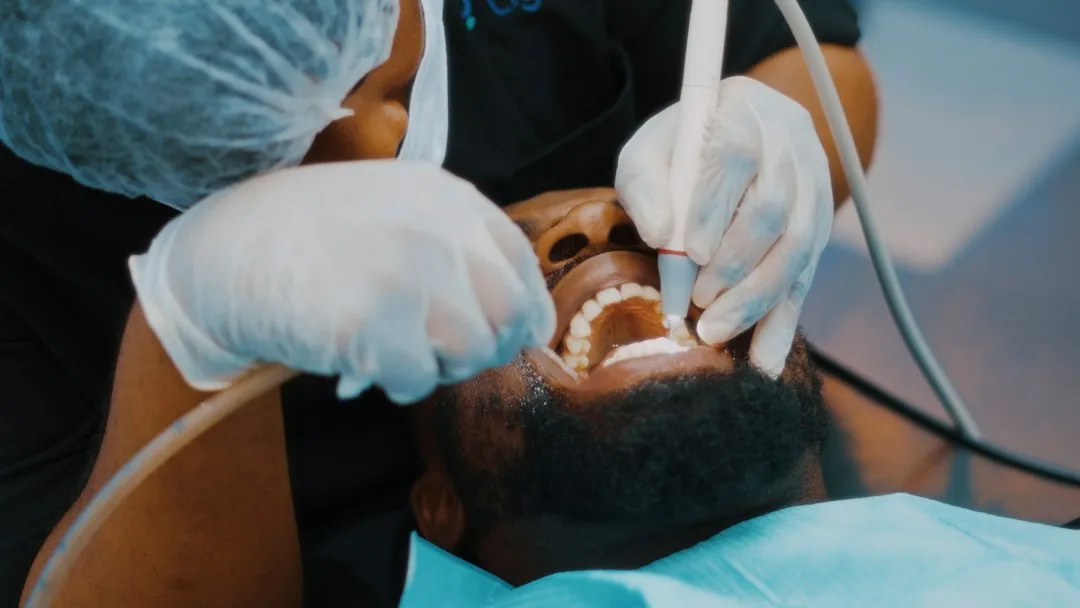
A professional dental cleaning—clinically termed dental prophylaxis—is a specialized preventive treatment designed to clean areas of your mouth that daily brushing and flossing simply cannot reach. While at-home oral hygiene is the foundation of a healthy smile, microscopic colonies of oral bacteria constantly form a sticky biofilm over your enamel. Over time, this biofilm mineralizes and turns into a stubborn, rock-hard substance that binds directly to your tooth surfaces and slips beneath the gumline.
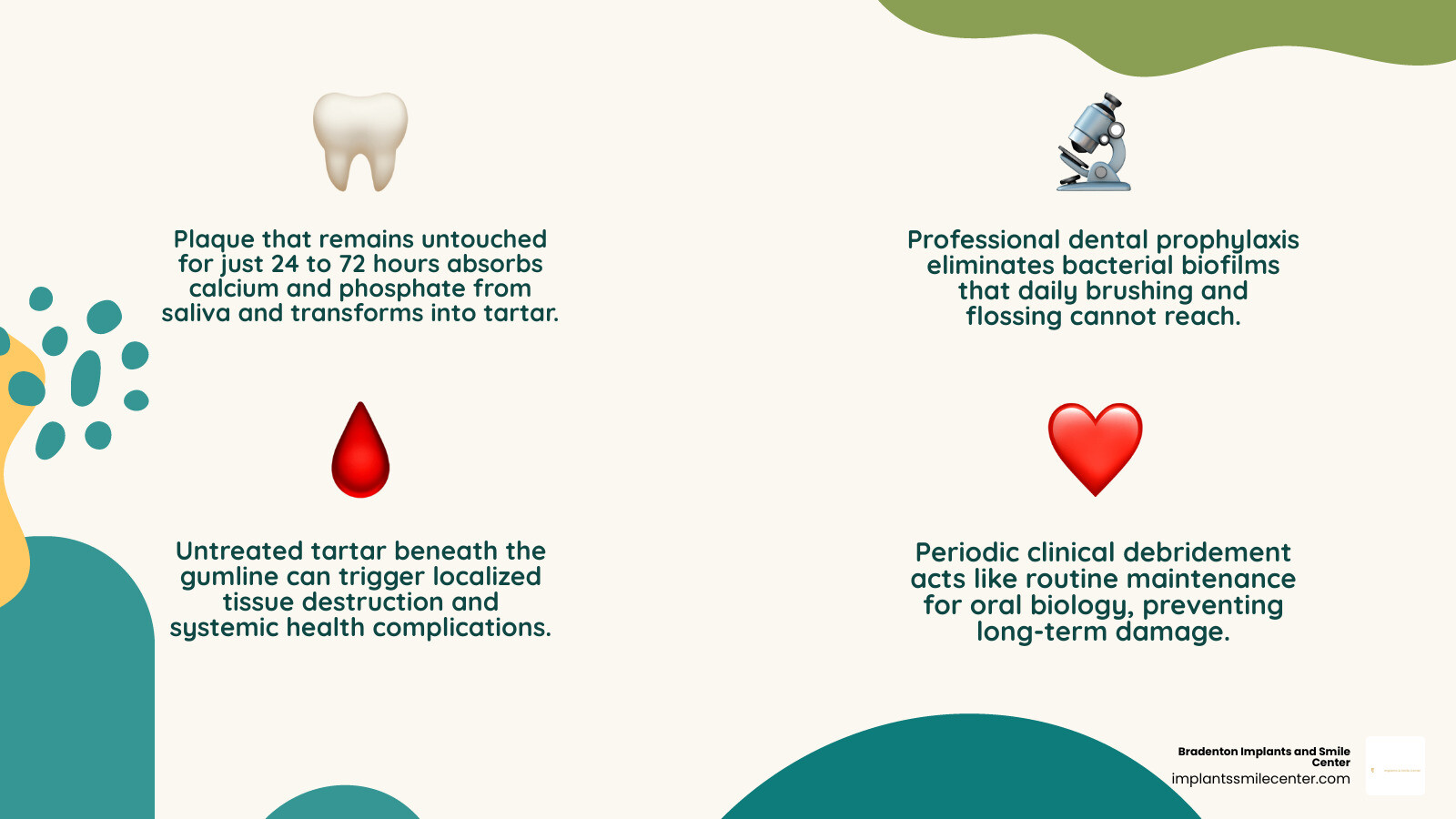
Professional cleanings eliminate these bacterial strongholds before they trigger localized tissue destruction and systemic health complications. Preventive dental care acts like routine maintenance for your oral biology. Just as you would not expect a car engine to run indefinitely without fresh oil, your teeth and gums cannot stay resilient without periodic clinical debridement.
Why Routine Brushing Isn't Enough: Plaque vs. Tartar
Understanding the difference between soft plaque and calcified tartar reveals why home care alone cannot completely protect your smile. Plaque is a soft, colorless-to-pale-yellow film composed of saliva, food particles, and living bacteria. When you brush twice daily and floss diligently, you disrupt and remove a significant portion of this soft plaque.
However, plaque that remains untouched for just 24 to 72 hours absorbs calcium and phosphate minerals naturally present in your saliva. This calcification process transforms soft plaque into dental calculus, commonly known as tartar. Tartar forms an insoluble, porous shell that acts like concrete on your teeth.
Once tartar solidifies, no amount of aggressive brushing, scrubbing, or specialty flossing can remove it. In fact, brushing vigorously against hardened tartar can wear down your enamel and cause gum recession. Only a trained hygienist or dentist using specialized clinical instruments can safely detach calculus from your enamel without harming delicate tissues. Combining professional visits with practical at-home dental care tips ensures your smile stays protected on all fronts.
Key Health Benefits: From Fresh Breath to Heart Health
Regular preventive cleanings deliver substantial benefits that extend well beyond cosmetic sparkle:
Gingivitis and Periodontitis Prevention: Removing tartar halts the chronic bacterial irritation that leads to red, bleeding gums and irreversible bone loss around your teeth.
Tooth Loss Reduction: Professional cleanings significantly lower your risk of tooth decay and gum disease—the two leading causes of adult tooth loss.
Halitosis Reduction: Volatile sulfur compounds produced by trapped bacteria beneath the gumline cause persistent bad breath. Thorough clinical debridement eliminates these odor-producing bacterial colonies.
Cardiovascular and Systemic Protection: According to the American Dental Association, chronic oral inflammation allows bacteria to enter the bloodstream. This chronic inflammation is linked to an elevated risk of heart disease, stroke, and poorly managed diabetes. Regular cleanings lower the overall inflammatory burden in your body.
Long-Term Cost Savings: Preventive care costs far less than treating advanced dental issues. Catching a tiny area of enamel demineralization early prevents the need for extensive root canals, crowns, or surgical interventions later. Our dental cleaning guide outlines how ongoing prevention safeguards your health and wallet.
What to Expect During a Teeth Cleaning Appointment
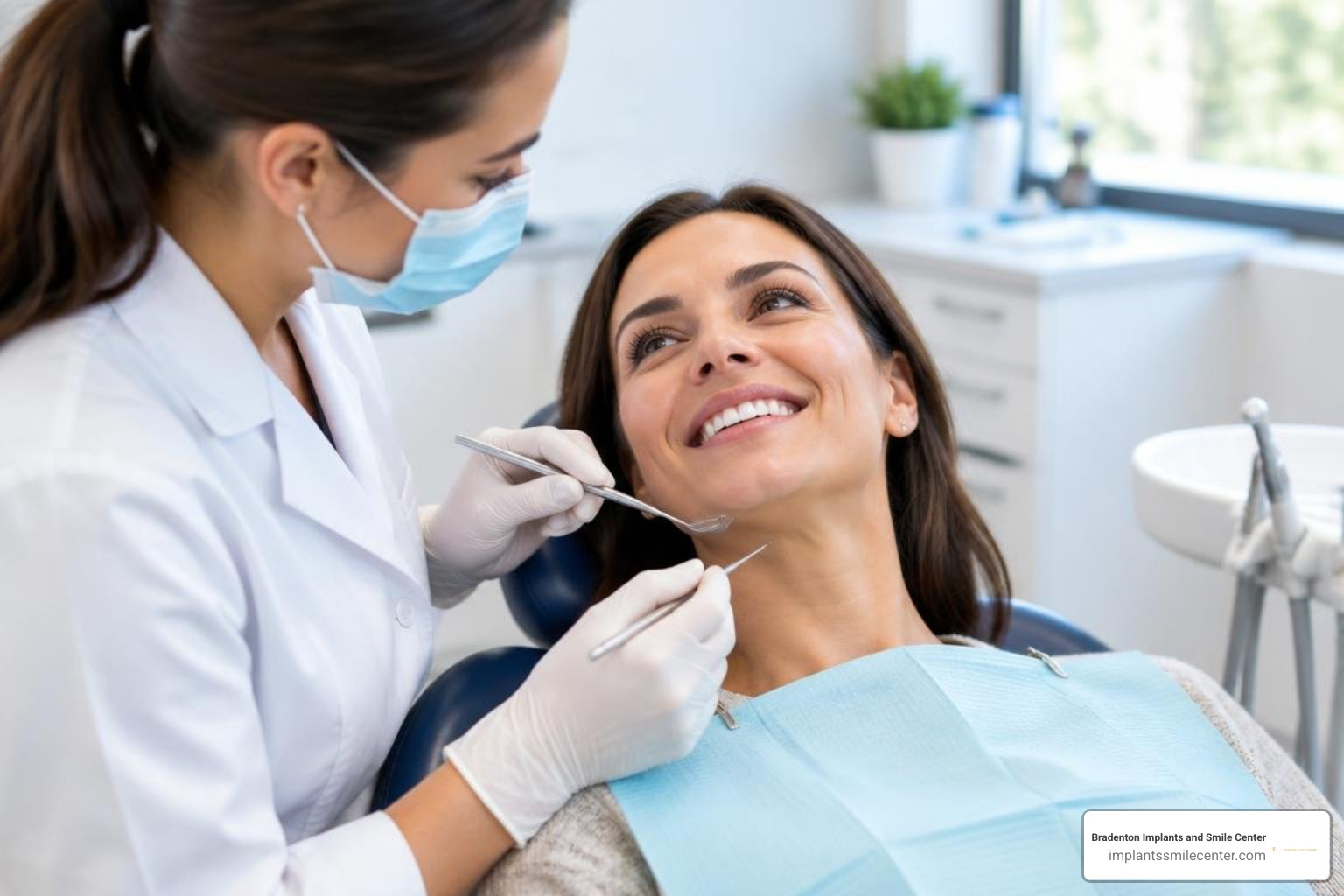
If you have avoided the dental chair for a while, knowing exactly what happens during a preventive visit can make your appointment feel relaxed and predictable. A standard hygiene visit is straightforward, gentle, and designed around your comfort.
Step-by-Step Overview of the Dental Hygiene Visit
A comprehensive dental cleaning follows a structured clinical pathway:
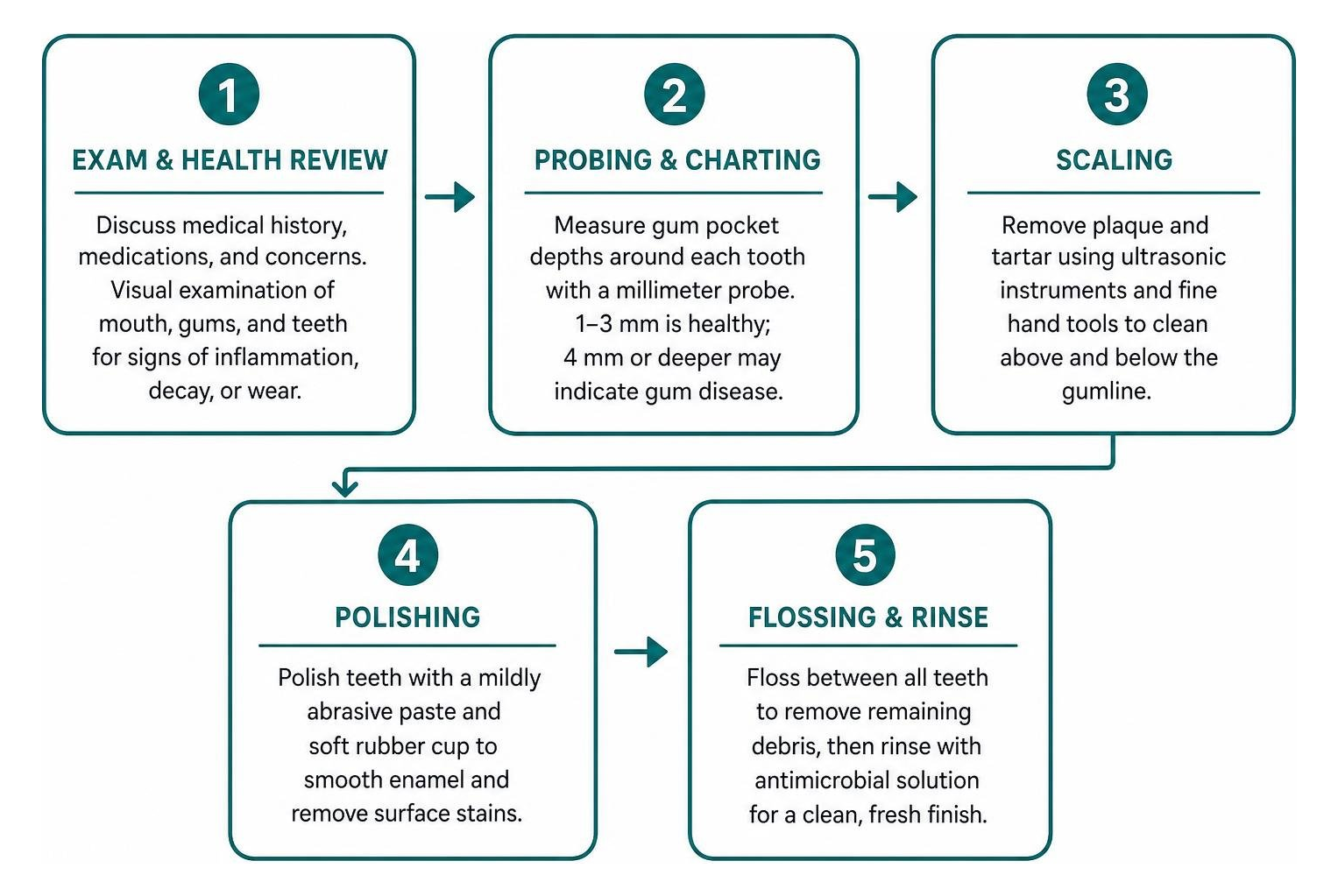
Initial Intraoral Examination and Health Review: We begin by discussing any changes in your medical history, current medications, or specific dental concerns. Your clinician visually inspects your oral mucosa, tongue, throat, and teeth for signs of inflammation, decay, or structural wear.
Periodontal Probing and Diagnostic Charting: We gently measure the depth of the sulcus (the collar of gum tissue surrounding each tooth) using a small millimeter probe. Healthy pockets typically measure between 1 and 3 millimeters. Pockets measuring 4 millimeters or deeper indicate inflammation or active periodontal disease.
Plaque and Tartar Scaling: Using ultrasonic scalers that emit gentle vibrational waves and cooling water mists, we break apart hardened calculus deposits. We follow this with fine hand instruments to remove residual debris from tight interdental spaces.
Polishing: After removing all calculus, we apply a mildly abrasive prophylaxis paste using a soft, motorized rubber cup. This step polishes the enamel surfaces smooth, lifting surface stains caused by coffee, tea, or food pigments.
Interdental Flossing and Final Rinse: We carefully floss between all contact points to clear remaining paste and dislodged particles, concluding with a refreshing antimicrobial rinse.
Fluoride or Desensitizing Application (Optional/Recommended): Depending on your enamel health and tooth sensitivity, we may apply a concentrated fluoride varnish to re-harden enamel and shield sensitive root surfaces.
How Often Should You Schedule Teeth Cleaning Near Me?
The American Dental Association (ADA) recommends that most adults receive a professional dental cleaning at least once every six months. For individuals with pristine oral health, minimal plaque accumulation, and strong gum attachment, this bi-annual cadence is ideal for maintaining balance.
However, dental schedules are never one-size-fits-all. Certain patients have biological or lifestyle risk factors that cause plaque to calcify much faster, requiring cleanings every three to four months. You may need more frequent hygiene appointments if you:
Have a history of chronic gum disease or bone loss
Smoke or use tobacco products
Are pregnant (due to hormonal surges that heighten gingival inflammation)
Live with systemic conditions such as diabetes or autoimmune disorders
Take medications that cause dry mouth (xerostomia), which speeds up bacterial growth
Routine Prophylaxis vs. Deep Cleaning (Scaling and Root Planing)
One common source of confusion for patients is the difference between a routine dental cleaning (prophylaxis) and a deep cleaning (scaling and root planing). While both remove harmful bacteria, they treat entirely different clinical conditions.
Feature | Routine Prophylaxis | Deep Cleaning (Scaling and Root Planing) |
|---|---|---|
Primary Goal | Prevention and maintenance of healthy tissues | Active therapeutic treatment of gum disease |
Target Area | Supragingival (above the gumline) and shallow sulcus | Subgingival (deep beneath gumline and root surfaces) |
Gum Pocket Depth | 1 to 3 mm (healthy gums, no bone loss) | 4 mm or deeper (active infection, bone loss) |
Anesthesia Needed? | Rarely; topical desensitizers optional | Frequently; local numbing ensures comfort |
Appointment Structure | Single visit (45–60 minutes) | Often split into 2 visits by quadrant |
Follow-Up Cadence | Every 6 months | Periodontal maintenance every 3–4 months |
A routine cleaning focuses on surfaces above the gumline where tissue attachment remains intact. In contrast, when bacterial toxins destroy the bone and ligaments supporting your teeth, deep pockets form. Scaling and root planing removes subgingival calculus and smooths out rough root surfaces so the gums can heal and reattach.
To learn more about advanced plaque and tartar removal techniques, explore our articles on scaling and polishing as well as the benefits of modern laser teeth cleaning.
How to Choose the Best Teeth Cleaning Near Me for Your Family
Finding the right dental home makes all the difference in keeping up with your preventive care. You deserve an environment where you are treated with compassion, transparency, and clinical excellence.
Warning Signs You Are Overdue for Professional Care
If you are unsure whether it is time to visit the dental clinic, keep an eye out for these classic warning signs:
Gums that bleed when you brush, floss, or eat firm foods
A persistent bad taste in your mouth or chronic bad breath that mouthwash cannot fix
Visible yellow, brown, or black crusty buildup along your gumline
Gums that appear bright red, swollen, or tender to the touch
Increased tooth sensitivity to hot, cold, or sweet temperatures
It has been longer than six months since your last dental visit
Accommodations for Dental Anxiety, Sensitive Teeth, and Family Scheduling
We believe dental anxiety and tooth sensitivity should never stand between you and a healthy mouth. Modern dental practices offer multiple comfort options to ensure every hygiene visit is stress-free:
Topical Desensitizing Gels: Applied directly along sensitive gum margins prior to scaling, these gels numb nerve responses without traditional injections.
Gentle Ultrasonic Adjustments: Clinicians can easily adjust water flow, temperature, and vibration intensity to match your comfort level.
Sedation Options: For patients with severe dental phobias or heightened gag reflexes, mild sedation solutions help you stay completely relaxed throughout the visit.
Family-Block Scheduling: Coordinating dental visits for the entire family is much simpler when you schedule back-to-back appointments on the same morning or afternoon.
Factors to Evaluate When Searching for Teeth Cleaning Near Me
When searching for teeth cleaning near me, look for these key indicators of high-quality care:
Comprehensive Diagnostic Technology: Ensure the practice utilizes low-radiation digital X-rays, high-resolution intraoral cameras, and modern diagnostic screenings.
Insurance and Transparent Pricing: Check whether the office works with your insurance and provides clear treatment estimates before starting any procedure. Check out current dental cleaning specials to see how affordable new patient visits can be.
In-House Membership Plans: If you do not have private dental insurance, ask if the clinic offers an affordable in-house membership plan covering preventive cleanings, exams, and routine discounts.
Frequently Asked Questions About Dental Cleanings
How much does teeth cleaning cost and does insurance cover it?
The cost of a dental cleaning depends on whether you require a routine preventive cleaning or an extensive deep cleaning for periodontal disease, as well as whether updated diagnostic X-rays and exams are needed. Fortunately, most dental insurance policies classify routine cleanings as preventive care and cover them at 80% to 100%, often leaving you with little to no out-of-pocket cost.
For patients without dental insurance, many modern practices offer new patient packages or in-house membership savings programs that make routine cleanings very affordable.
How long does a standard cleaning appointment take?
A typical dental cleaning appointment lasts between 45 and 60 minutes. This timeframe provides sufficient opportunity to update your medical history, perform thorough oral examinations, scale and polish your teeth, and review personalized oral hygiene recommendations with your dental team.
Does getting your teeth professionally cleaned hurt?
For the vast majority of patients, a routine cleaning is completely comfortable. You will feel light pressure, gentle vibrations, and cool water mists as instruments clean around your enamel. If you have exposed tooth roots, receded gums, or inflamed tissues, you may feel mild sensitivity. Always let your hygienist know if you experience discomfort—they can apply topical numbing gels and adjust their technique to keep you comfortable.
Conclusion
Skipping routine dental cleanings leaves your smile vulnerable to hidden bacterial buildup, gum inflammation, and costly dental complications. Prioritizing preventive care preserves your natural teeth, freshens your breath, and protects your long-term systemic wellness.
At Bradenton Implants & Smile Center, we are dedicated to providing personalized, compassionate care using modern technology and gentle techniques tailored to adults and seniors. Whether you are due for your routine bi-annual checkup or seeking dedicated periodontal care, our team is ready to welcome you. Contact our office today at 7270 55th Ave E, Bradenton, FL 34203 to reserve your professional dental cleaning and take the next step toward a lifetime of healthy smiles.