

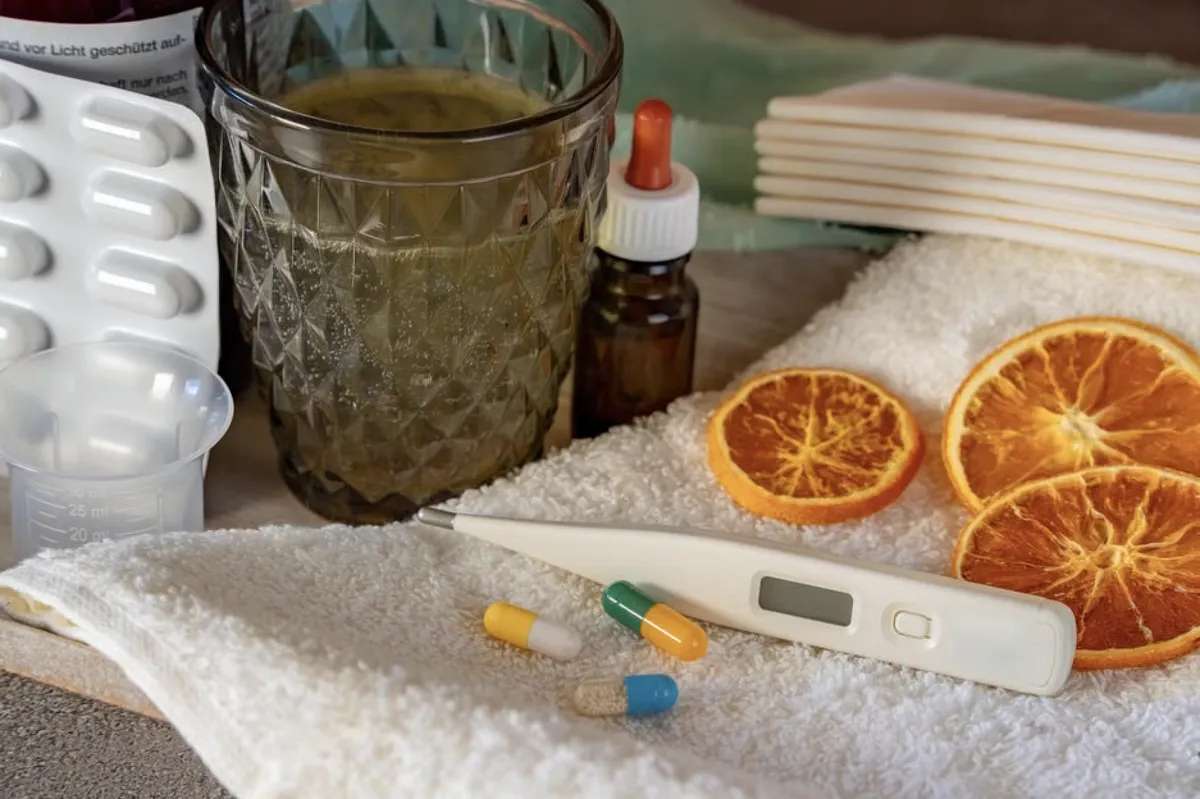
Sore Mouth? Tooth Extraction Pain Relief Home Remedies to Save the Day
Why the Right Home Care Makes All the Difference After a Tooth Extraction
Tooth extraction pain relief home remedies can make a real difference in how quickly and comfortably you recover after having a tooth pulled. Here's a quick look at the most effective options:
Home Remedy | What It Does | When to Use It |
|---|---|---|
Ice pack (wrapped in cloth) | Reduces swelling and numbs pain | First 24-48 hours |
Warm saltwater rinse | Cleans the site, reduces inflammation | Starting 24 hours after extraction |
Clove oil (diluted) | Natural numbing and anti-inflammatory | As needed for nerve pain |
Ibuprofen + acetaminophen | Controls pain and swelling | Per package directions |
Honey on gauze | Reduces inflammation and discomfort | As needed |
Elevate your head | Reduces blood pressure at the site | While resting or sleeping |
Soft foods + hydration | Supports healing, protects blood clot | Throughout recovery |
Tooth extraction is one of the most common dental procedures — but the hours and days that follow can be uncomfortable. Swelling, soreness, and throbbing pain are all a normal part of healing. Most discomfort peaks within the first 24 to 48 hours and gradually improves over 2 to 7 days, with most people returning to their normal routine within just 2 to 3 days.
The good news? You don't have to just wait it out. Several simple, evidence-based remedies can ease your pain and help your mouth heal faster — without reaching for prescription opioids.
I'm Dr. John Hegazin, owner of Bradenton Implants and Smile Center, with over 8 years of experience in tooth extractions, wisdom teeth removal, and post-surgical recovery care. I've guided countless patients through using tooth extraction pain relief home remedies safely and effectively alongside professional treatment. In this guide, I'll walk you through exactly what works, what to avoid, and when it's time to call the office.
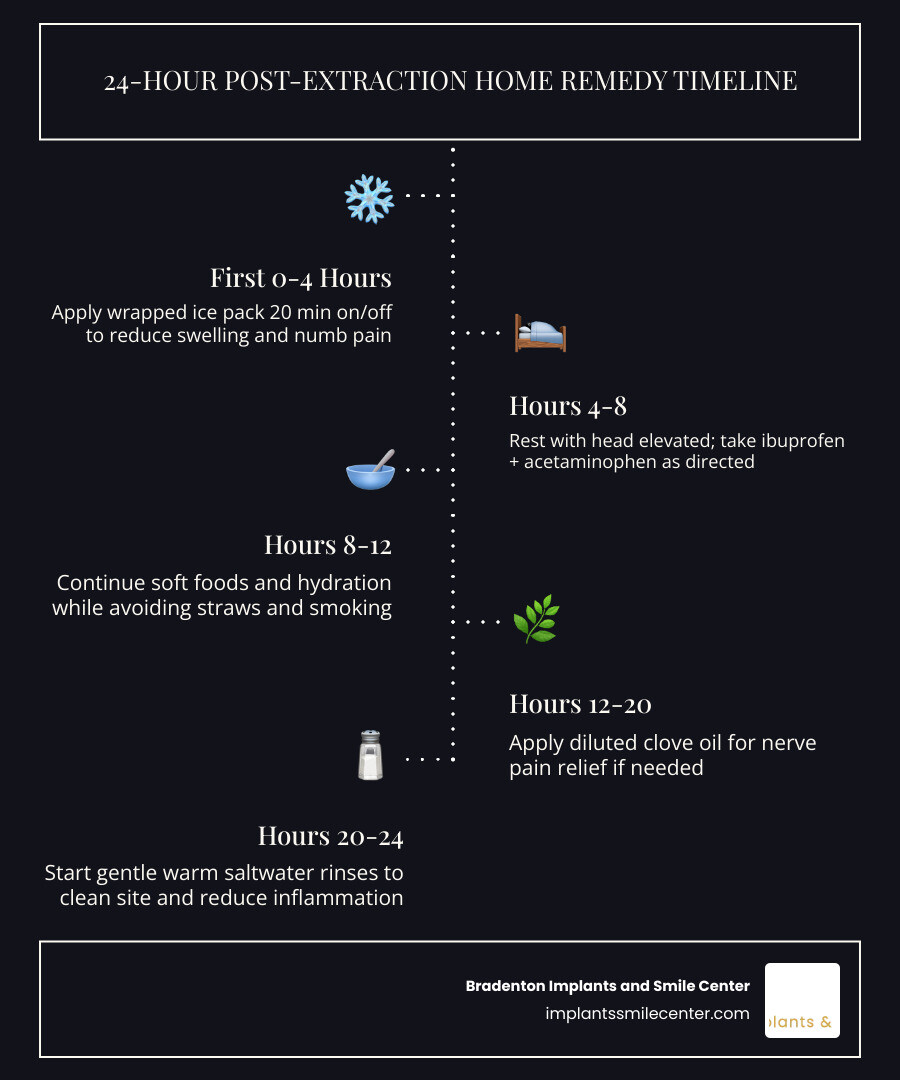
Effective Tooth Extraction Pain Relief Home Remedies

When recovering from oral surgery, the primary goal of home care is to manage tissue inflammation, protect the newly formed blood clot, and soothe irritated nerves. While medical treatments are vital, incorporating safe, natural remedies can significantly reduce your reliance on heavy medications.
To help you recover comfortably, we recommend starting with simple physical therapies that control blood flow and swelling at the surgical site. By understanding how to reduce pain after tooth extraction naturally at home, you can keep discomfort to a minimum during those crucial first 48 hours.
Two of the easiest and most effective physical methods include:
Cold Compresses: Applying an ice pack to the outside of your cheek is your first line of defense. The cold temperature constricts local blood vessels, which limits fluid buildup (swelling) and temporarily numbs the local pain receptors.
Head Elevation: Keeping your head elevated above your heart—especially when resting or sleeping—minimizes the blood pressure in your head and jaw. This simple adjustment prevents the intense, throbbing sensation that often worsens when you lie flat.
Natural Tooth Extraction Pain Relief Home Remedies
If you prefer a holistic approach to recovery, several kitchen staples offer remarkable therapeutic benefits. These natural remedies can target nerve sensitivity and local inflammation directly at the source:
Warm Saltwater Rinse: Starting 24 hours after your extraction, a gentle saltwater rinse is highly effective. Dissolve half a teaspoon of salt in eight ounces of warm water. Instead of swishing aggressively, gently hold the warm water in your mouth over the affected area, then let it spill out over the sink. Saltwater acts as a natural mild antiseptic and draws fluid out of inflamed tissues, reducing soreness.
Clove Oil: Clove oil contains a powerful natural compound called eugenol, which has exceptional anesthetic (numbing) and antiseptic properties. To manage localized nerve pain, dilute a few drops of pure clove oil with a carrier oil (like olive oil or coconut oil), apply it to a sterile cotton ball, and gently press it near the extraction site for 10 to 15 minutes.
Turmeric Paste: Turmeric is rich in curcumin, a compound celebrated for its strong anti-inflammatory and antioxidant properties. You can mix a small amount of turmeric powder with water to create a thick paste, applying it gently near the gums surrounding the socket to soothe throbbing nerves.
Honey Dressings: Honey is not just a sweet treat; it is a proven wound healer. A clinical study published in 2014 demonstrated that applying raw honey dressings to dry sockets resulted in a significant reduction in inflammation, pain, and patient discomfort. You can place a small amount of raw, high-quality honey on a sterile gauze pad and place it gently over the site.
Black Tea Bags: Black tea contains natural compounds called tannins, which are natural astringents. Tannic acid helps blood vessels constrict, which actively promotes clotting and reduces minor bleeding. Steep a black tea bag in hot water, allow it to cool completely, and gently bite down on it for 15 to 20 minutes.
Peppermint Tea: Peppermint contains natural menthol, which provides a cooling, numbing sensation on irritated tissues. You can place a cooled, damp peppermint tea bag over the site to ease nerve irritation.
Aloe Vera Gel: Pure aloe vera gel is incredibly soothing and promotes rapid tissue regeneration. Applying a small amount of food-grade aloe vera gel around the extraction site can cool inflamed gums and support faster surface healing.
To dive deeper into managing post-surgical discomfort, read about these effective home remedies for nerve pain after tooth extraction.
Understanding the Post-Extraction Recovery Timeline
Knowing what to expect day-by-day can ease dental anxiety and help you plan your recovery. While every patient heals at their own pace, the standard recovery timeline follows a predictable pattern:
The First 24 Hours: This is the most critical window. Your body is busy forming a stable blood clot in the empty socket. This blood clot is the absolute foundation of your healing process—it protects the exposed bone and nerve endings underneath. Swelling and minor oozing are normal during this phase.
Days 2 to 3: This is typically when swelling and discomfort peak as the body's natural inflammatory response reaches its height. However, most patients can comfortably return to light, normal routines by day three.
Days 4 to 7: Discomfort and swelling should steadily decline. By the end of the first week, any residual soreness is usually mild and easily managed.
Beyond Week 1: While the surface gum tissue closes up within 1 to 2 weeks, the underlying bone can take several months to fully remodel and heal.
For more detailed information on what to expect during your procedure and recovery, check out our guide on tooth extractions.
Risks and Precautions with Topical Remedies
While natural remedies are highly beneficial, they must be used with caution to avoid irritating the delicate healing tissues in your mouth:
Always Dilute Essential Oils: Undiluted essential oils, such as pure clove oil or tea tree oil, are highly concentrated and can cause chemical burns on sensitive oral tissues. Always mix them with a food-safe carrier oil.
Perform a Patch Test: Before placing any herbal paste or essential oil mix in your mouth, apply a tiny dab to your inner arm to ensure you do not experience an allergic reaction or severe skin irritation.
Use Numbing Gels Sparingly: Over-the-counter numbing gels containing benzocaine can temporarily relieve gum soreness. However, they should never be packed directly inside an open tooth socket, as they can disrupt the delicate blood clot and cause chemical irritation. Always consult your dentist before applying topical medications to an open wound.
Dietary, Lifestyle, and Medical Support for Healing
Therapy Type | Common Options | Main Benefits | Key Precautions |
|---|---|---|---|
Medical (OTC) | Ibuprofen (NSAID) + Acetaminophen | Superior pain control, reduces swelling | Do not exceed daily dosage limits; watch for stomach upset |
Natural/Physical | Cold compresses, head elevation, saltwater | Numbs pain, lowers blood pressure at site, cleanses wound | Avoid direct ice-to-skin contact; do not rinse vigorously |
Dietary | Smoothies (with a spoon), yogurt, mashed potatoes | Keeps nutrition up without irritating wound | Absolutely no straws; avoid hot liquids |
A successful recovery relies on a combination of medical pain management, a soft diet, and plenty of rest. If you are recovering from a more complex procedure, such as a wisdom teeth extraction, coordinating these therapies is key to a smooth healing process.
Safe Use of Over-the-Counter Pain Relievers
Many patients assume they will need strong prescription painkillers after oral surgery, but modern clinical research shows otherwise.
A landmark study published in The Journal of the American Dental Association (JADA) found that taking a combination of 500 mg of acetaminophen and 400 mg of ibuprofen after oral surgery controlled pain more effectively than prescription opioids containing hydrocodone and acetaminophen, with far fewer side effects.
To get the most out of this non-opioid combination, we recommend a staggered dosing schedule:
Take your first dose of pain medication before the local anesthesia fully wears off to stay ahead of the pain curve.
Stagger your doses (e.g., taking ibuprofen, then taking acetaminophen three hours later) to maintain a consistent level of pain relief in your system.
Always take NSAIDs like ibuprofen with a small amount of soft food or a large glass of water to prevent stomach irritation.
Dietary and Lifestyle Adjustments
What you put in your body—and how you rest it—directly impacts how quickly your oral tissues repair themselves.
Stick to Soft Foods: For the first 3 to 5 days, enjoy nutritious, soft foods that require zero chewing. Excellent options include Greek yogurt, mashed potatoes, applesauce, scrambled eggs, and lukewarm broth-based soups.
Prioritize Hydration: Drinking plenty of water keeps your oral tissues moist and prevents dry mouth, which can actually intensify nerve sensitivity. However, always drink directly from a cup.
Absolutely No Straws: Using a straw creates negative pressure (suction) in your mouth. This suction can easily dislodge the delicate blood clot from the socket, leading to a painful complication known as dry socket.
Avoid Smoking and Tobacco: Tobacco use introduces harmful chemicals that restrict blood flow to your gums, drastically slowing down your healing. The physical act of inhaling also creates suction that can dislodge the blood clot.
Preventing Complications and Knowing When to Call a Professional
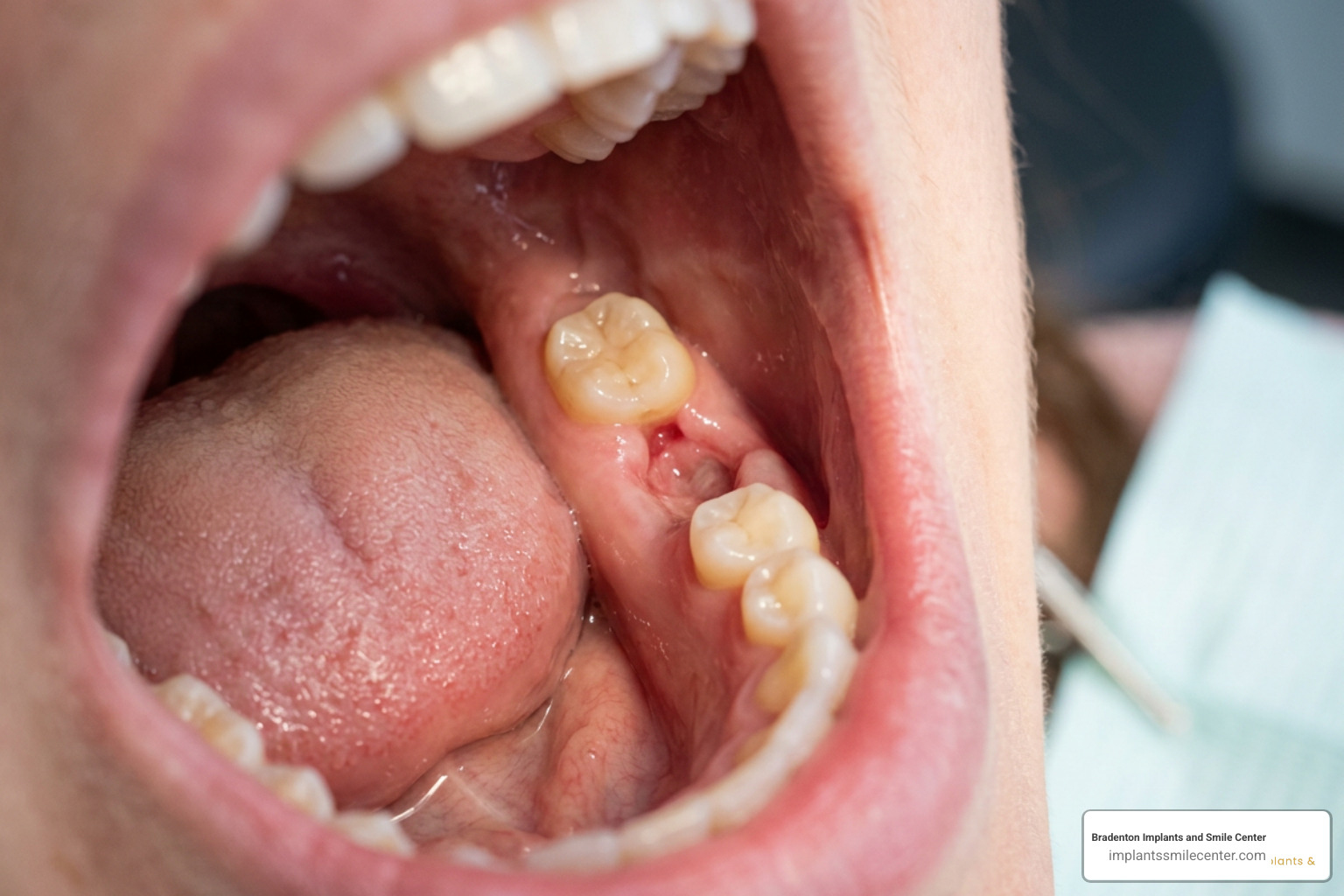
While the vast majority of tooth extractions heal without any issues, complications can occasionally arise. Knowing how to protect your wound and identifying the early warning signs of a problem can save you from unnecessary pain. If you suspect something is wrong, do not hesitate to contact us for guidance on managing dental emergencies.
How to Prevent Dry Socket
Dry socket (alveolar osteitis) is the most common post-extraction complication. It occurs when the protective blood clot in the socket fails to form, dissolves, or is dislodged prematurely. This leaves the underlying bone and sensitive nerve endings completely exposed to air, food, and fluids, resulting in intense, radiating pain.
To keep your healing clot safe, follow these essential preventive steps:
Avoid any physical suction, including using straws, smoking, or spitting forcefully.
Do not brush directly over the extraction site for the first 24 to 48 hours; instead, gently clean your other teeth and use a passive saltwater rinse.
Avoid hard, crunchy, or sticky foods that could physically dislodge the clot or trap debris in the socket.
If you suspect your blood clot has been compromised, read our detailed guide on dry socket relief, home remedies, and pain management to learn how to find comfort while waiting to see your dentist.
When to Stop Using Tooth Extraction Pain Relief Home Remedies
Home remedies are fantastic tools to support your recovery, but they are not a substitute for professional dental care when a complication occurs. You should stop relying on home care and contact us immediately if you experience any of the following "red flag" symptoms:
Severe, Throbbing Pain: Pain that suddenly worsens 3 to 5 days after your extraction and does not respond to over-the-counter medications.
Visible Bone: Being able to look in the mirror and see exposed white bone inside the empty socket.
Signs of Infection: Developing a fever, noticing pus draining from the socket, or experiencing worsening swelling in your face or jaw after the third day.
Prolonged Numbness: Feeling persistent numbness or a tingling sensation in your lip, chin, or tongue that lasts more than a few hours after your anesthesia should have worn off.
Frequently Asked Questions
How long does pain typically last after a tooth extraction?
Mild to moderate discomfort and swelling typically last between 2 to 7 days. Pain usually peaks within the first 24 to 48 hours as the local inflammation runs its course, and then steadily improves. Most patients feel back to their normal routines within 2 to 3 days.
Can I use over-the-counter numbing gels directly on the extraction socket?
No, you should never apply over-the-counter numbing gels (like those containing benzocaine) directly inside the open extraction socket. These gels can cause chemical irritation to the exposed bone and disrupt the delicate blood clot. You may gently apply them to the surrounding gums, but it is always best to consult your dentist first.
What is the fastest way to relieve nerve pain at home after oral surgery?
The fastest way to manage nerve pain is a combination of physical and medical therapy. Apply a cold compress to your cheek to numb the area, keep your head elevated to reduce throbbing, and use a staggered, scheduled regimen of ibuprofen and acetaminophen (per JADA study guidelines) to keep pain receptors blocked.
Conclusion
Recovering from a tooth extraction doesn't have to be a stressful or highly painful experience. By combining safe, effective tooth extraction pain relief home remedies—like cold compresses, warm saltwater rinses, and staggered over-the-counter pain relievers—with plenty of rest, you can support your body's natural healing process and get back to your normal routine quickly.
At Bradenton Implants & Smile Center, we are dedicated to providing personalized, compassionate care using modern dental technology and advanced techniques. If you live in Bradenton, FL, and have questions about an upcoming extraction or need help with your post-operative recovery, we are here for you.
Schedule a tooth extraction consultation with our friendly team today, or visit us at our office located at 7270 55th Ave E, Bradenton, FL 34203 to experience dental care designed around your comfort.