

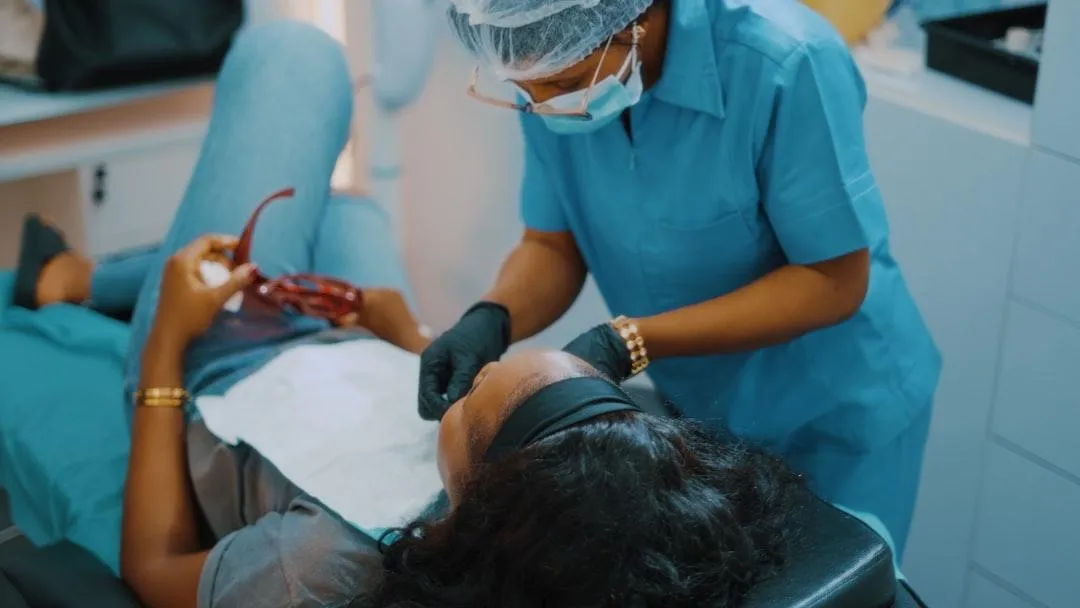
Why Your Dentist Might Say No: Laser Filling Drawbacks
What Are the Laser Filling of Teeth Disadvantages You Should Know Before Your Next Appointment?
Laser filling of teeth disadvantages are real, and knowing them upfront can save you from a costly or uncomfortable surprise in the dental chair.
Here is a quick summary of the main drawbacks:
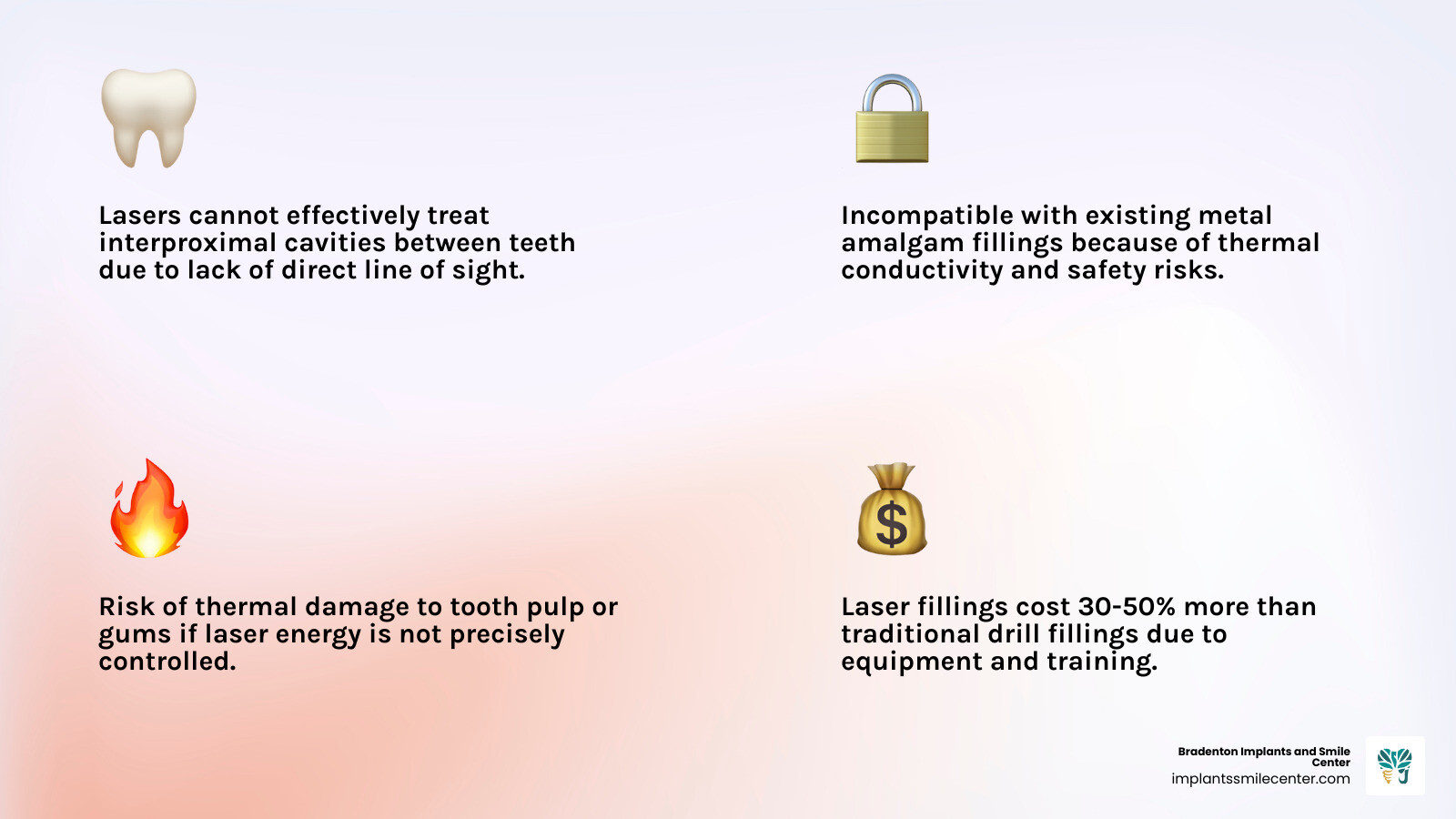
Not suitable for all cavities — lasers cannot treat cavities between teeth (interproximal) or cases with excessive decay
Cannot be used on teeth with existing metal fillings — amalgam fillings and laser technology do not mix safely
Risk of thermal damage — hard lasers can injure the tooth pulp or surrounding gum tissue if not used correctly
Higher cost — laser fillings typically cost 30–50% more than traditional fillings
Still may require anesthesia — some procedures are not as pain-free as advertised, especially on tougher tissues
Limited availability — not every dental office has the specialized equipment or training
Shorter lifespan concerns — composite laser fillings last 5–10 years, and habits like teeth grinding can shorten that further
Laser dentistry has come a long way since it became mainstream in the 1990s. For many patients, it genuinely offers less pain, faster healing, and greater precision. But it is not the right choice for everyone — and some dentists are not always upfront about where it falls short.
I'm Dr. John Hegazin, owner of Bradenton Implants and Smile Center, with over 8 years of experience in restorative and laser dentistry — including helping patients navigate the full picture of laser filling of teeth disadvantages before committing to treatment. In the sections below, I'll walk you through everything you need to know so you can make a confident, informed decision.
Core Laser Filling of Teeth Disadvantages and Limitations
While the idea of a "light beam" replacing a "drill" sounds like science fiction come true, the reality is that lasers have strict clinical boundaries. In current clinical practice, the technology has certainly refined, but several fundamental laser-filling-of-teeth-disadvantages - Vitrin Clinic remain part of the conversation.
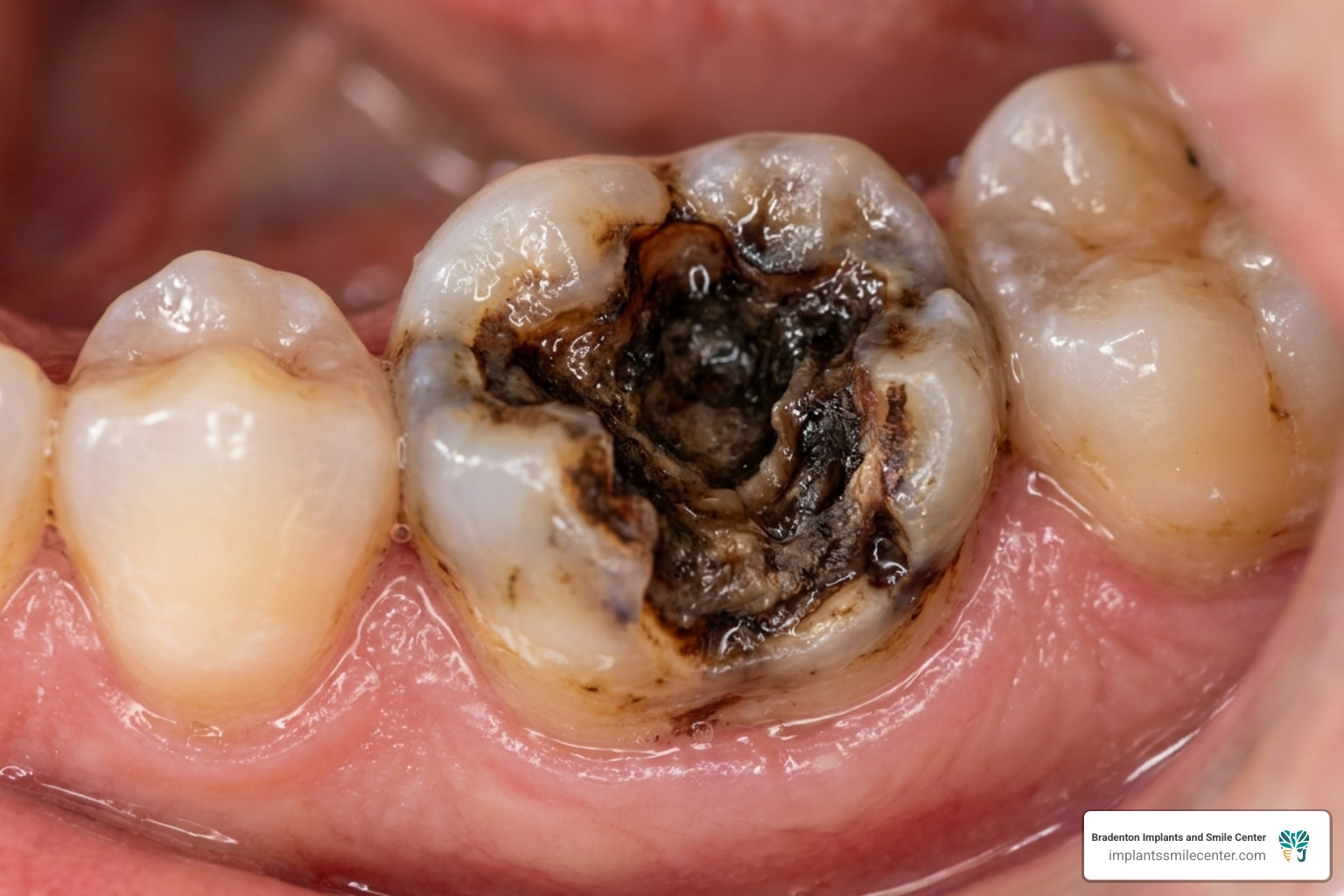
First and foremost, lasers are highly specialized. A "hard tissue" laser, such as an Erbium laser, works by targeting water molecules in the tooth structure to vaporize decayed material. However, this precision becomes a hindrance when dealing with interproximal cavities—those pesky holes located between your teeth. Because the laser requires a direct line of sight, it often cannot reach these hidden areas without damaging the healthy neighboring tooth.
Furthermore, lasers are not ideal for excessive decay. If a cavity has progressed to the point where a large portion of the tooth structure is compromised, a traditional drill is still the faster and more effective tool for bulk tissue removal. Lasers remove tissue in tiny increments, which can make treating a large cavity an incredibly long and tedious process for the patient.
Laser Suitability Comparison Table
Feature Laser Filling Traditional Drill Small to Medium Cavities Excellent Good Large/Deep Cavities Poor (Too slow/inefficient) Excellent Between Teeth (Interproximal) Not Recommended Standard Removing Old Metal Fillings Cannot be used Standard Precision High (Preserves more tooth) Moderate
Potential Risks and Side Effects of Laser Dental Fillings
One of the most significant concerns we discuss at Bradenton Implants and Smile Center is the risk of thermal damage. Laser energy is converted into heat upon contact with the tooth. If the settings are incorrect or if the dentist lacks sufficient experience, this heat can transfer to the tooth's "pulp"—the living center containing nerves and blood vessels.
According to research on Lasers in Dentistry, an increase of just 6°C in the pulp can cause irreversible pulpitis (permanent inflammation), and an 11°C rise can lead to pulpal necrosis (the death of the tooth nerve). This could turn a simple filling into a mandatory root canal.
Other risks include:
Laser Plume and Surgical Smoke: When a laser vaporizes tissue, it creates a "plume" or smoke. This aerosol can contain toxic chemicals, bacteria, and even viral DNA fragments. High-speed evacuation and specialized masks are required to keep the clinical environment safe.
Eye Safety: The concentrated light of a dental laser can cause permanent retinal damage. Both the patient and the dental team must wear specific protective eyewear at all times during the procedure.
Subcutaneous Emphysema: In rare cases, the air-cooling spray used with lasers can force air into the soft tissues of the face or neck, causing swelling and potential complications.
Cost Comparison: Why Laser Fillings Are More Expensive
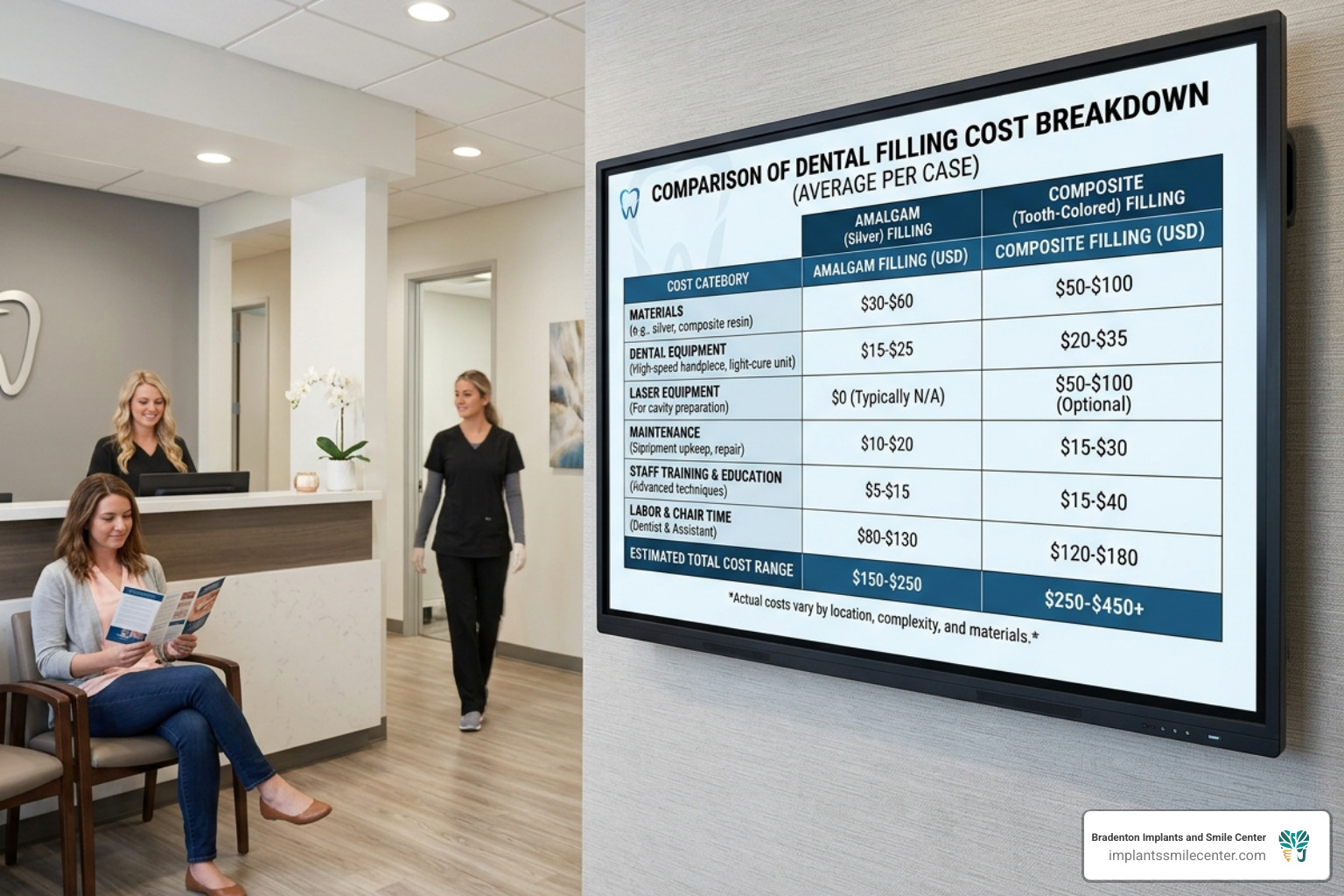
If you are looking at your dental bill and wondering why the laser option carries a premium, it usually comes down to the "behind-the-scenes" costs for the practice. Laser equipment is significantly more expensive to purchase and maintain than traditional dental handpieces. Additionally, dentists must undergo specialized, ongoing training to operate these machines safely.
Typically, you can expect a 30% to 50% price premium for laser fillings. While we don't treat patients in South Asia, for those researching global trends, prices in India often range from ₹2,500 to ₹8,000 per tooth, while in Pakistan, they range from PKR 7,000 to PKR 20,000. These figures are significantly higher than local traditional filling costs.
In the United States, insurance coverage can also be a hurdle. Some insurance providers view laser use as an "elective" or "advanced" technology and may only reimburse at the rate of a standard filling, leaving the patient to cover the difference. It is always wise to check your specific policy before scheduling.
When to Avoid Laser Filling of Teeth Disadvantages in Clinical Practice
There are specific clinical scenarios where we simply have to say "no" to the laser to protect your health.
Why Laser Filling of Teeth Disadvantages Apply to Existing Fillings
This is perhaps the most common reason a laser cannot be used. If you have an existing metal amalgam (silver) filling that has developed new decay around it, a laser is dangerous. The laser energy can heat the metal rapidly, potentially cracking the tooth or causing extreme pain. Furthermore, the laser can vaporize the mercury within the amalgam, releasing toxic fumes into the air.
As noted in the Pros and Cons of Laser Dentistry review, lasers are also ineffective at shaping or polishing certain types of restorative materials. In these cases, we must use a traditional drill to remove the old restoration before we can even consider using a laser for the new cavity preparation.
Managing Laser Filling of Teeth Disadvantages in Pediatric Care
We love using lasers for our younger patients because the lack of "drill noise" and vibration significantly reduces dental anxiety. However, there are limitations. Laser use on primary (baby) teeth is less common and requires very specific power settings because the enamel is thinner and the pulp is larger than in permanent teeth.
While many procedures can be done without a shot, The Pros and Cons of Dental Laser Therapy in Conservative Dentistry and Endodontics—A Systematic Review highlights that some children may still require local anesthesia if the cavity is deep or if they are particularly sensitive to the cold-water spray used to cool the laser.
Frequently Asked Questions about Laser Fillings
How long do laser fillings last?
The longevity of a filling depends more on the material used and your oral hygiene than the tool used to prepare the hole. Most laser-prepared cavities are filled with composite resin. These typically last 5 to 10 years. However, if you have habits like teeth grinding (bruxism) or consume highly acidic foods, the lifespan of the filling can decrease significantly.
Is laser filling painful?
For many, it is much more comfortable because there is no "whirring" sound or vibration. However, it isn't always "pain-free." When working on tough tissues like enamel or near the nerve of the tooth, patients may still feel a "snapping" sensation or temperature sensitivity. At Bradenton Implants and Smile Center, we always have numbing options ready just in case.
Can laser fillings fall out or break?
Any filling can fail if the bond isn't perfect. One of the laser filling of teeth disadvantages is that the laser can sometimes "over-etch" the tooth surface or leave behind a charred layer if the settings are too high. This can interfere with how well the composite material sticks to the tooth, potentially leading to a filling that falls out or leaks over time.
Conclusion
At Bradenton Implants and Smile Center, we believe in using the right tool for the right job. While laser dentistry is a fantastic advancement in modern dentistry, it isn't a "magic wand" that replaces every traditional technique. Understanding the laser filling of teeth disadvantages—from cost to clinical limitations—is the first step in ensuring your dental work lasts a lifetime.
We pride ourselves on providing personalized, compassionate care. If you are in the Bradenton, FL area and want to discuss whether a laser filling or a traditional restoration is best for your specific needs, we are here to help. Our team uses modern technology and advanced techniques to ensure your smile remains healthy and beautiful.
Schedule a consultation for your dental needs today and let us help you navigate your options with transparency and expertise.