
Beyond the Brush with Advanced Teeth Cleaning Techniques
Is Laser Teeth Cleaning Right for You? Here's What You Need to Know
Laser teeth cleaning is a modern dental procedure that uses focused beams of light energy to remove plaque, tartar, and harmful bacteria from your teeth and gums — with less discomfort, less bleeding, and faster healing than traditional metal scraping methods.
Quick comparison at a glance:
Feature Laser Teeth Cleaning Traditional Cleaning Pain level Low — minimal discomfort Moderate — scraping and pressure Bleeding Minimal — vessels are sealed More common Invasiveness Minimally invasive More physical contact with tissue Recovery time Faster Longer Gum disease treatment Highly effective Effective but less precise Anxiety factor Lower — quiet, no vibration Higher — noise and sensation Cost Higher upfront Lower upfront
If you've been avoiding the dentist — you're not alone. About 36% of the population experiences dental anxiety, and the scraping sounds and pressure of traditional cleanings are a big reason why. Yet according to the CDC, only 65.5% of adults had a dental exam or cleaning in 2023 — meaning millions are skipping care that could protect their long-term health.
Laser dentistry is changing that. By replacing uncomfortable metal instruments with precise light energy, it's making professional dental care more accessible — especially for patients dealing with gum disease, tooth sensitivity, or years of avoiding the chair.
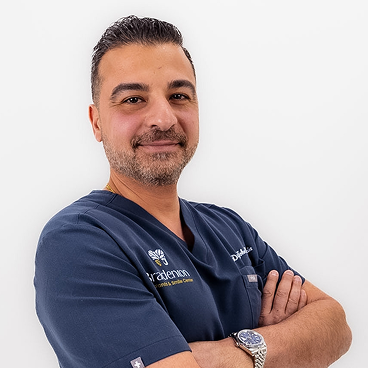
I'm Dr. John Hegazin, owner of Bradenton Implants and Smile Center, with over 8 years of experience providing advanced dental care including laser teeth cleaning and gum therapy. My goal with this guide is to walk you through exactly how laser cleaning works, who it helps most, and whether it's the right step for your oral health.
Understanding Laser Teeth Cleaning and How It Works
At its core, laser teeth cleaning is about using concentrated light energy to achieve a level of cleanliness that traditional tools simply can't match. Instead of relying solely on the physical force of a metal scaler to "pop" tartar off the tooth, we use a dental laser to target the unwanted material at a microscopic level.

The process works through bacterial reduction and the precise removal of plaque and tartar. The laser beam is highly focused, allowing us to pinpoint diseased tissue and hardened deposits without harming the healthy structure of your teeth or gums. In our Bradenton office, we use these beams to decontaminate the area, essentially sterilizing the gum pockets as we work. This is a massive leap forward from older methods that could inadvertently push bacteria deeper into the gums.
There are two primary types of lasers used in this field:
Hard Tissue Lasers: These are used for teeth surfaces, helping to prepare for fillings or removing small amounts of decay.
Soft Tissue Lasers: These are the stars of the show for cleaning. They target the bacteria and infected tissue in the gums, promoting a healthy environment for your smile to thrive.
By using these advanced tools, we can achieve clinical results that often surpass traditional deep cleanings, particularly for patients struggling with persistent inflammation.
The Science of Laser Teeth Cleaning
How does a beam of light actually clean a tooth? It comes down to wavelength selection. Different lasers are tuned to specific wavelengths that are absorbed by certain materials. For example, some wavelengths are absorbed by the dark pigment in bacteria or the water content in inflamed tissue.
When the laser hits these targets, it converts to thermal energy. This heat does several things at once:
Sterilization: It kills pathogens on contact.
Cauterization: It seals small blood vessels, which is why there is so much less bleeding.
Bio-stimulation: Perhaps most impressively, the light energy stimulates the mitochondria in your cells, encouraging faster tissue regeneration and natural healing.
Laser vs. Traditional Scaling and Root Planing
If you’ve ever had a "deep cleaning" (scaling and root planing), you know the drill—literally. Traditional methods involve metal instruments scraping against the roots of your teeth. While effective, it can be a jarring experience.
Comparison Factor Traditional Scaling Laser Teeth Cleaning Instruments Metal curettes and ultrasonic tips Focused light beams Sensation Scraping, pressure, and vibrations Gentle warmth or light pulses Bleeding Common due to tissue manipulation Minimal; laser cauterizes as it works Sound High-pitched whining or scraping Quiet clicks or humming Recovery 2-5 days of soreness Often less than 24 hours
Traditional scaling often requires a significant amount of pressure to dislodge stubborn calculus. Laser teeth cleaning breaks down these deposits with light, meaning we don't have to be as aggressive with the hand tools.
Key Benefits of Choosing Laser Dentistry for Your Gums
When we talk about the benefits of laser teeth cleaning, we aren't just talking about "cool tech." We're talking about tangible improvements in how you feel during and after your appointment.
The primary advantage is precision. Because the laser is so targeted, we preserve more of your natural tooth structure and healthy gum tissue. This minimal invasiveness means we aren't "cutting" or pulling back the gums to reach the roots.
Other major benefits include:
Reduced Swelling: Because the laser is gentle on the tissue, you won't leave the office with the puffy, tender gums often associated with deep cleanings.
Reduced Sensitivity: The laser can help desensitize nerve endings as it passes over them, which significantly reduces post-operative discomfort.
Infection Control: By eliminating up to 99% of the bacteria in a periodontal pocket, we give your body a massive head start on healing.
Addressing Dental Anxiety with Laser Teeth Cleaning
We know that for many of our neighbors in Bradenton, the sounds and sensations of a dental office are enough to keep them away for years. Traditional cleanings involve vibrations that can be felt through the jawbone—not exactly a relaxing afternoon.
Laser teeth cleaning offers a quiet, vibration-free alternative. Most patients describe the sensation as a slight warmth or a gentle tapping. To further enhance comfort, we utilize technologies like DentalVibe, a unique tool that uses vibrations to block pain signals during the numbing process (if numbing is even needed!). This "gate control" theory of pain ensures that your experience is as stress-free as possible.
The Procedure: What to Expect During Your Visit
Walking into a high-tech appointment shouldn't feel like stepping onto a sci-fi set. Here is the simple breakdown of what we do during a laser teeth cleaning session at Bradenton Implants and Smile Center.
Initial Evaluation: We start with a thorough check of your gum health, often using diagnostic X-rays to see what’s happening beneath the surface.
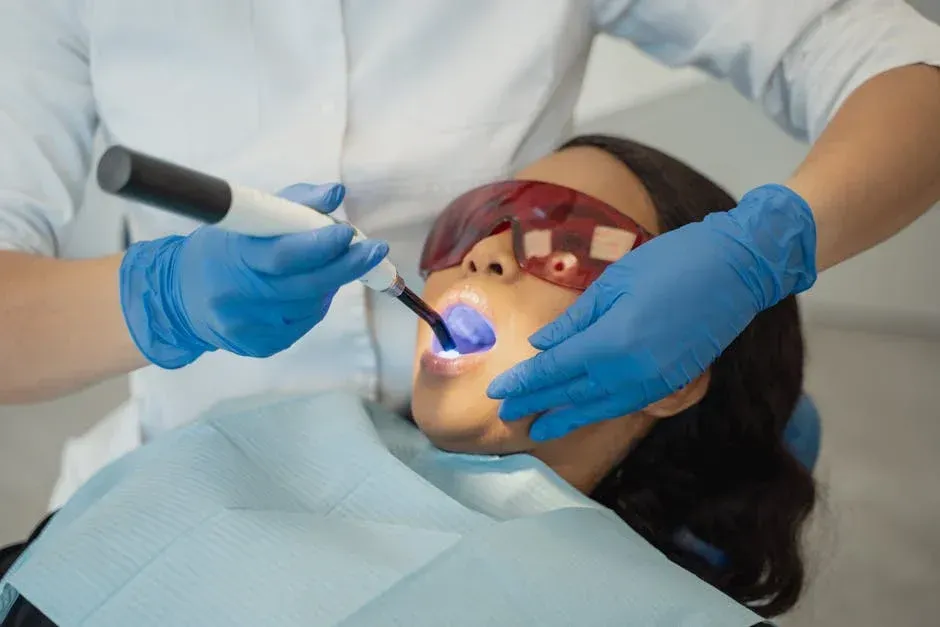
Protective Measures: Safety first! Both you and our team will wear special protective eyewear to shield your eyes from the laser light.
Targeted Cleaning: We use the laser to decontaminate the gum pockets and break up the "biofilm" (the sticky colony of bacteria).
Root Smoothing: If there is hardened tartar, we use gentle ultrasonic tools to smooth the root surface so bacteria can't easily reattach.
Gum Sealing: In the final step, the laser is used to create a "sterile clot" around the tooth, effectively sealing the area to prevent new bacteria from entering while the tissue reattaches.
Ideal Candidates and Safety Considerations
Is everyone a candidate for laser teeth cleaning? Most people are, but it’s especially beneficial for those with:
Periodontal Disease: If you have deep "pockets" between your teeth and gums.
Sensitive Teeth: If the thought of cold water and metal tools makes you wince.
Restorations: It is safe for use around dental implants, crowns, and veneers when handled by a trained professional.
Safety and Precautions: Laser dentistry is FDA-approved and has an excellent safety record. However, we do take extra precautions for patients who are pregnant or taking photosensitizing medications. During your consultation, we’ll review your medical history to ensure this is the safest path forward for you.
Advanced Applications in Treating Gum Disease
Gum disease (periodontitis) is the leading cause of tooth loss in adults. It's caused by bacteria that hide in pockets below the gum line where your toothbrush can't reach. If left untreated, these bacteria eat away at the bone holding your teeth in place.
We use specific protocols like LAPIP (for implants) and LANAP (for natural teeth) to treat moderate to severe periodontitis. These are "regenerative" procedures, meaning they don't just stop the disease—they help stimulate the body to grow back lost tissue and improve bone health.
Beyond just cleaning, these lasers are excellent for halitosis management. Since bad breath is often caused by bacteria living deep in the gums, the sterilizing power of the laser provides a "fresh start" that mouthwash simply can't achieve.
Frequently Asked Questions about Laser Dental Care
How much does laser teeth cleaning cost and is it covered by insurance?
The cost of laser teeth cleaning can vary based on the extent of the treatment needed. A routine "bacterial reduction" might only add a small amount to a standard cleaning, while a full-mouth deep treatment for gum disease can range from several hundred to over a thousand dollars depending on the severity.
While some insurance plans view laser therapy as an "adjunct" (an add-on), many are beginning to recognize its long-term cost-effectiveness. By preventing tooth loss and the need for expensive surgeries later, laser care is a smart investment. We also offer financing options to make sure advanced care fits your budget.
Can lasers effectively remove tartar below the gum line?
Yes! In fact, this is where they shine. The laser light can reach into hard-to-reach areas that metal tools might miss. It helps disrupt the attachment of calculus (tartar) and eliminates the bacteria that cause the buildup in the first place, making removal much gentler.
What kind of aftercare is recommended following the procedure?
Recovery is usually a breeze, but we recommend:
Soft Diet: Stick to cooler, soft foods for the first 24 hours.
Saltwater Rinses: A gentle rinse can help keep the area clean.
Gentle Brushing: Use a soft-bristled brush and avoid aggressive flossing for a day or two.
Alcohol-Free Mouthwash: This prevents irritation of the healing tissues.
Conclusion
At Bradenton Implants and Smile Center, we believe that taking care of your teeth shouldn't be a source of fear. By combining compassionate, personalized care with modern technology like laser teeth cleaning, we’re helping our Bradenton community achieve healthier smiles with less stress.
Whether you’re dealing with the early signs of gingivitis or it’s just been a while since your last check-up, we’re here to help. Our advanced techniques ensure that your visit is efficient, effective, and—most importantly—comfortable.
Ready to experience a different kind of dental visit? Schedule your advanced cleaning today and go beyond the brush for a healthier, brighter smile.