

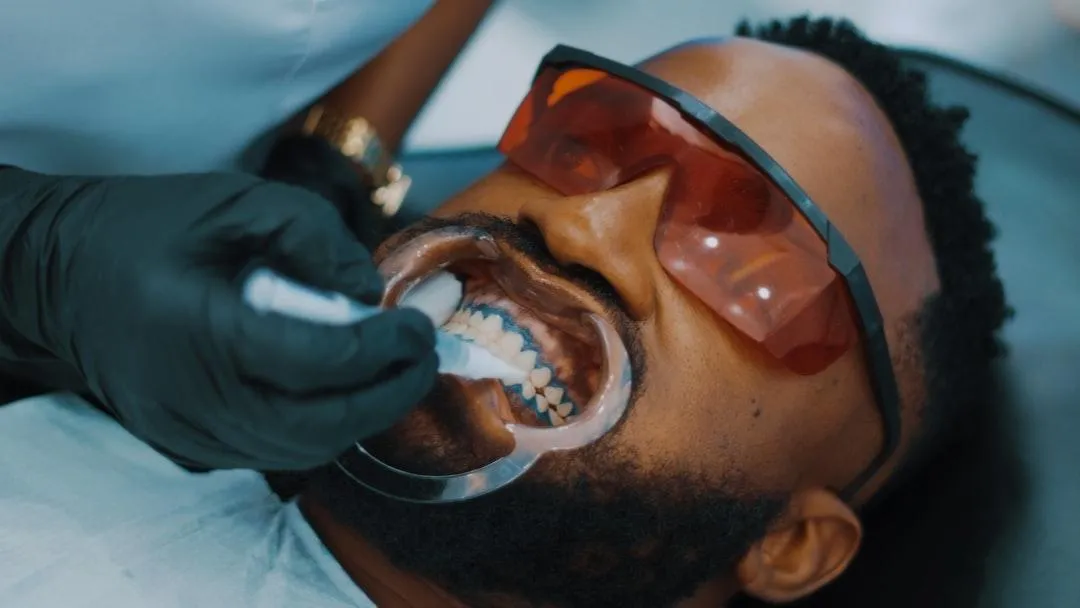
Don't Be a Tartar and Skip Your Scaling and Polishing
Why Scaling and Polishing Is the Foundation of Good Oral HealthScaling and polishing is a professional dental cleaning procedure that removes hardened plaque (tartar) from your teeth and smooths the tooth surface to help keep your mouth healthy.
Quick answer:
Question Answer What is it? Removal of plaque and tartar, followed by smoothing and buffing the tooth surface Who performs it? A dentist or dental hygienist Does it hurt? Usually painless; numbing gel is available if needed How long does it take? Typically 20-60 minutes How often? Every 3-12 months depending on your oral health Is it the same as whitening? No — it removes surface stains but does not chemically lighten teeth
Here's the problem most people don't realize: no matter how well you brush, plaque that isn't removed in time hardens into tartar. Once it hardens, your toothbrush simply cannot get rid of it. Only a professional cleaning can. And when tartar builds up unchecked, it becomes the leading cause of gum disease, bad breath, and eventually tooth loss — conditions that affect nearly 3.5 billion people worldwide, according to the World Health Organization.
Think of it like limescale in a kettle. You can rinse it every day, but eventually that mineral buildup clings on — and you need something stronger to clear it out.
I'm Dr. John Hegazin, owner of Bradenton Implants and Smile Center, and with over 8 years of experience providing preventive care including professional scaling and polishing, I've seen how a simple routine cleaning can stop serious dental problems before they start. In this guide, I'll walk you through exactly what the procedure involves, what to expect, and how to get the most out of every appointment.
What is Scaling and Polishing?
At its core, scaling and polishing is a two-part preventive dental treatment. While you might know it simply as a "dental cleaning," the clinical terms describe exactly what we are doing to your teeth.
Scaling refers to the mechanical removal of plaque and tartar (calculus) from the surfaces of your teeth. Polishing is the finishing step where we buff the enamel to remove superficial stains and leave the teeth feeling smooth. This is a non-surgical, non-invasive procedure that serves as the first line of defense against oral diseases.
According to the World of Dentistry, this process is essential because it targets the "biofilm"—a complex colony of bacteria that lives in your mouth. If you want to dive deeper into how we approach these cleanings, you can check out our Dental Cleaning services.
The Science of Plaque and Tartar
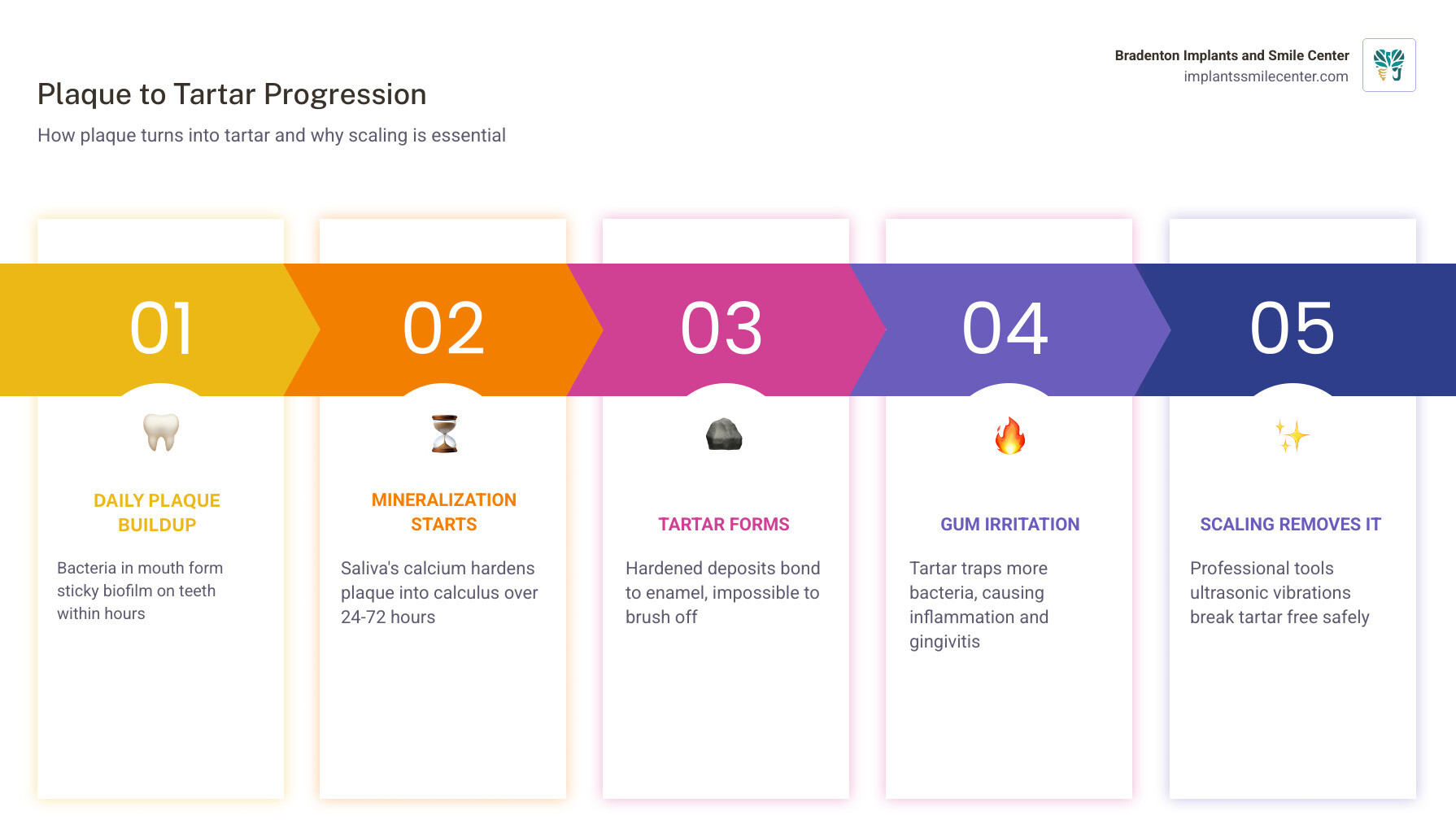
Every day, a sticky, colorless film of bacteria called plaque forms on your teeth. When you eat sugars or starches, the bacteria in plaque produce acids that attack your tooth enamel. If plaque isn't brushed or flossed away, it reacts with the minerals in your saliva (specifically calcium) and begins to mineralize.
Once plaque mineralizes, it turns into tartar (calculus). Tartar is a hard, yellowish or brown deposit that binds tightly to the tooth. Think of it as "dental concrete." Because it is porous, it provides the perfect nook-and-cranny environment for even more bacteria to thrive, often right against or beneath your gum line.
Why Professional Scaling and Polishing is Necessary
You might wonder, "If I brush twice a day and use fluoride toothpaste, why do I still need a professional cleaning?"
The reality is that even the most diligent brushers can miss tiny spots, especially between teeth or just below the gum line. Once tartar forms, it is physically impossible to remove with a toothbrush or floss. If left alone, tartar causes the gums to become inflamed (gingivitis), which can lead to bleeding, recession, and eventually periodontal disease.
As noted in the guide to The ‘Scale and Polish’ Procedure, professional intervention is the only way to break the cycle of tartar buildup and protect your long-term enamel health.
The Step-by-Step Procedure: What to Expect
If it’s been a while since your last visit to us here in Bradenton, you might be curious about what happens once you’re in the chair. The process is streamlined and designed for your comfort.

According to Dental Fear Central, understanding the sensations can help reduce anxiety. You will likely feel some vibrations and hear a whistling sound, but these are normal parts of the cleaning process.
Ultrasonic and Hand Scaling Techniques
We usually begin with an ultrasonic scaler. This modern tool uses high-frequency vibrations to "tickle" large deposits of tartar loose. To keep the tool and your tooth cool, it emits a fine mist of water. This water also helps wash away the debris as it’s removed.
After the ultrasonic scaling, we switch to hand scaling. We use fine instruments called scalers and curettes to manually scrape away any remaining smaller deposits. This allows us to be incredibly precise, ensuring we reach every corner of the tooth. For patients with specific needs, we may also incorporate Laser Teeth Cleaning to target bacteria with even greater accuracy.
The Finishing Touch: Teeth Polishing
Once your teeth are free of tartar, they might feel a little "rough" to your tongue. This is where polishing comes in. We use a soft, rotating rubber cup (a prophy cup) and a special abrasive paste.
This paste—which often comes in flavors like mint or fruit—buffs the surface of your enamel. This isn't just for looks; smoothing the enamel makes it much harder for new plaque to stick to your teeth. As the Life Medical Centre points out, polishing is the key to that "squeaky clean" feeling and helps remove external stains from coffee, tea, or food.
Health Benefits Beyond a Brighter Smile
While everyone loves the look of a clean smile, scaling and polishing is about much more than aesthetics. It is a critical component of your systemic health.
Preventing Gum Disease and Tooth Loss
When tartar builds up, your body treats it as a foreign invader, leading to chronic inflammation. This inflammation can cause your gums to pull away from your teeth, creating "pockets." If these pockets aren't cleaned, the bacteria will eventually begin to destroy the bone that holds your teeth in place.
Regular cleanings help with pocket reduction and maintain bone health. If you are already showing signs of gum issues, we may recommend a more targeted Gum Treatment to restore your health.
Eliminating Bad Breath and Surface Stains
Chronic bad breath (halitosis) is often caused by the gasses released by bacteria hiding in tartar deposits. No amount of mouthwash can permanently fix bad breath if the underlying tartar isn't removed. Additionally, scaling and polishing is highly effective at removing surface stains from tobacco or dark liquids, giving your smile an immediate aesthetic boost without the need for chemical bleaching.
You can learn more about the risks of letting these deposits sit by reading about Periodontal Disease Risk Factors.
Scaling and Polishing vs. Other Dental Treatments
It’s easy to get dental terms confused. Is a "scale and polish" the same as a "deep cleaning"? Is it the same as "whitening"? Not quite.
Feature Scaling and Polishing Teeth Whitening Root Planing (Deep Cleaning) Primary Goal Health & Prevention Cosmetics Treating Gum Disease Removes Plaque, Tartar, Stains Intrinsic Yellowing Deep Subgingival Tartar Depth Above/Just below gumline Enamel surface Deep into the roots Frequency Every 6 months As needed Once (with maintenance)
Scaling vs. Teeth Whitening
Scaling and polishing removes external stains (like coffee or tobacco) and restores your teeth to their natural shade. However, it does not change the intrinsic color of your teeth. Teeth whitening uses chemical agents like peroxide to bleach the enamel itself. We always recommend getting a professional cleaning before whitening to ensure the whitening gel can reach the actual tooth surface rather than just sitting on top of plaque.
Scaling vs. Deep Cleaning (Root Planing)
A standard scale and polish is a preventive treatment for healthy patients or those with mild gingivitis. If you have advanced gum disease (periodontitis), you may need Scaling and Root Planing. This "deep cleaning" involves smoothing the roots of the teeth deep under the gum line to help the gums reattach. In severe cases, this might be followed by Periodontal Pocket Reduction Surgery.
Aftercare and Maintaining Your Results
After your appointment at Bradenton Implants and Smile Center, your teeth will feel incredibly smooth. To keep them that way, a little aftercare goes a long way.
Immediate Post-Procedure Care
It is normal for your gums to feel slightly tender or for your teeth to be sensitive to cold for a day or two after a thorough cleaning.
Eating: You can usually eat right away, but if you had a fluoride treatment, wait 30 minutes before eating or drinking.
Sensitive Gums: Avoid very spicy or acidic foods for 24 hours if your gums feel sore.
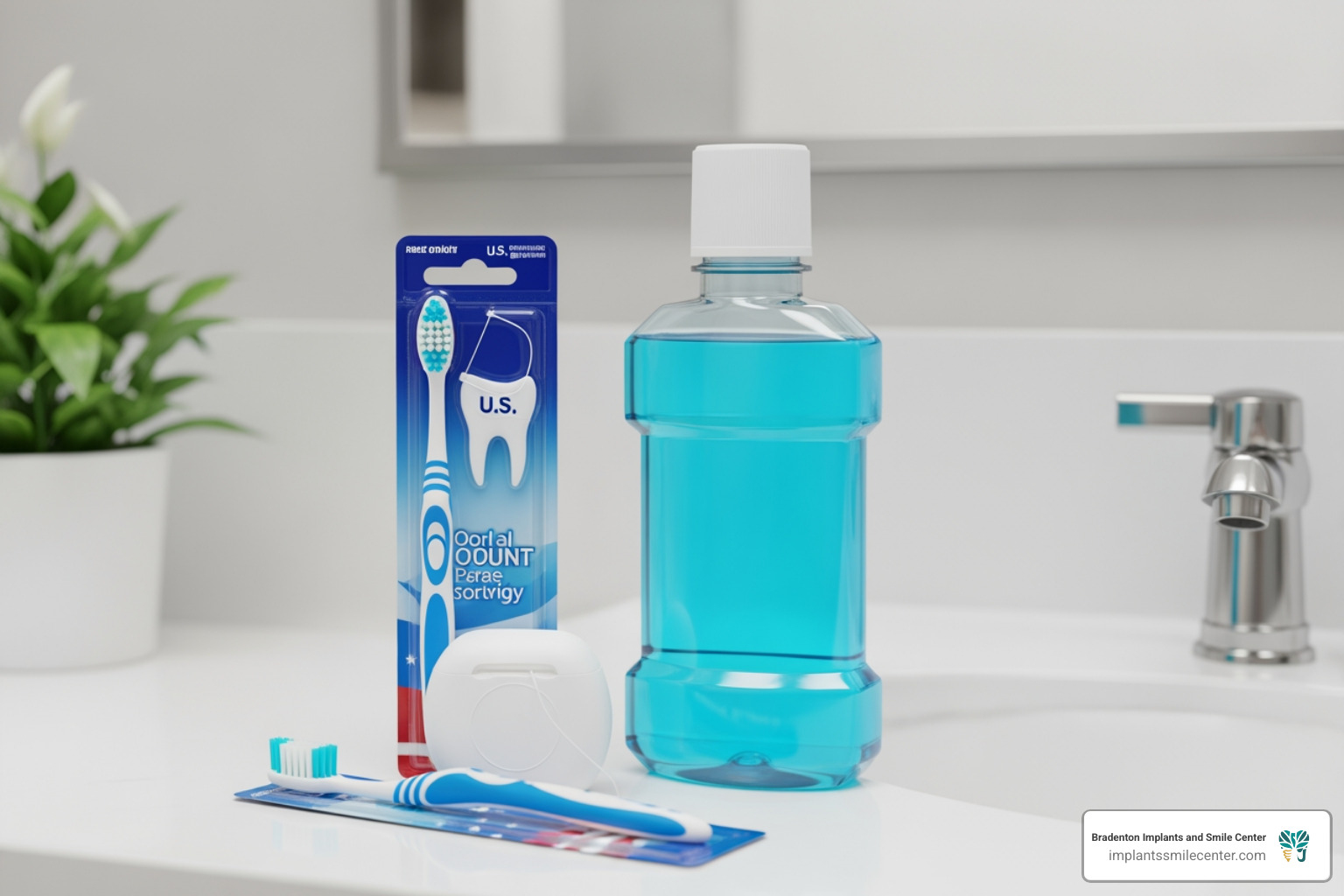
Mouthwash: Using an antimicrobial mouthwash can help keep the bacterial count low while your gums "tighten" back up.
The Vital Dental Care guide suggests that maintaining a gentle touch for the first 24 hours while brushing can prevent irritation.
Long-term Oral Hygiene Habits
The standards for home care remain clear: professional cleanings are a supplement to, not a replacement for, daily hygiene.
Brush Twice Daily: Use a fluoride toothpaste. Specialized toothpastes like Parodontax are specifically formulated to help remove plaque and maintain gum health.
Floss Daily: This is the only way to prevent tartar from forming in the tight spaces where your brush can't reach.
Regular Checkups: Don't wait for a toothache to visit us. Preventive care is always more affordable and less painful than restorative care.
Frequently Asked Questions about Scaling and Polishing
Does scaling and polishing hurt?
For the vast majority of our patients, the procedure is painless. You will feel some pressure and vibrations. If you have sensitive teeth or if your gums are currently inflamed, you might feel some mild discomfort. We can always apply a numbing gel or local anesthetic to ensure you are completely comfortable.
How often should I get scaling and polishing done?
The standard recommendation is every six months. However, if you have a history of gum disease, are a smoker, or have certain health conditions like diabetes, we may recommend coming in every three to four months.
How much does the procedure cost?
Most dental insurance plans cover scaling and polishing at 100% because it is considered preventive care. Investing in a cleaning now can save you thousands of dollars in future surgeries or implants. You can find more details on our page about Periodontal Cleaning Cost with Insurance.
Conclusion
At Bradenton Implants and Smile Center, we believe that a healthy body starts with a healthy mouth. Scaling and polishing is the simplest, most effective way to ensure your smile stays bright and your gums stay strong for a lifetime. With our modern technology and compassionate approach, we make sure your visit is as comfortable as it is beneficial.
Don't wait for plaque to turn into a permanent problem. Schedule your professional dental cleaning today and experience the difference that personalized, expert care can make for your smile.