

After Osseous Surgery: Your Ultimate Recovery Guide
What to Know After Osseous Surgery (Before Reading Further)
The most important things to know after osseous surgery are simple: expect some soreness, swelling, and light bleeding for a few days, and plan for a full recovery of two to four weeks. Here is a quick overview of what to expect:
Quick Recovery Summary:
Topic What to Expect Recovery time 2 to 4 weeks on average Common side effects Soreness, swelling, bruising, light bleeding Diet Soft foods only (mashed potatoes, scrambled eggs, mac and cheese) Oral hygiene No brushing the surgical area until sutures are removed Mouth rinse 0.12% chlorhexidine, 2 to 3 times daily starting the day after surgery Suture removal 7 to 14 days after surgery Call your dentist if Fever over 101°F, excessive bleeding, or severe pain Avoid Straws (1 week), smoking and alcohol (at least 24 hours)
Osseous surgery — also called pocket reduction surgery — is one of the most effective treatments for moderate to severe gum disease. It removes harmful bacteria hiding deep beneath your gumline, in pockets that brushing and flossing simply cannot reach. Left untreated, those pockets destroy the bone and tissue holding your teeth in place, and can even raise your risk of serious health conditions like heart disease and diabetes.
The good news? Recovery is very manageable when you know what to do.
I'm Dr. John Hegazin, owner of Bradenton Implants and Smile Center, and with over 8 years of experience in gum therapy, bone grafting, and surgical dental care, I've guided many patients through recovery after osseous surgery. In this guide, I'll walk you through everything — from the first 24 hours to long-term results — so you can heal with confidence.
Understanding Osseous Surgery and Why It Is Performed
Healthy bone and gum tissue should fit snugly around your teeth like a turtleneck sweater. This tight fit acts as a protective barrier, keeping harmful bacteria from reaching the delicate roots of your teeth. However, when periodontal disease takes hold, it destroys this supporting tissue and bone.
As the disease progresses, the attachment between your gums and teeth begins to break down, creating deep spaces known as periodontal pockets.
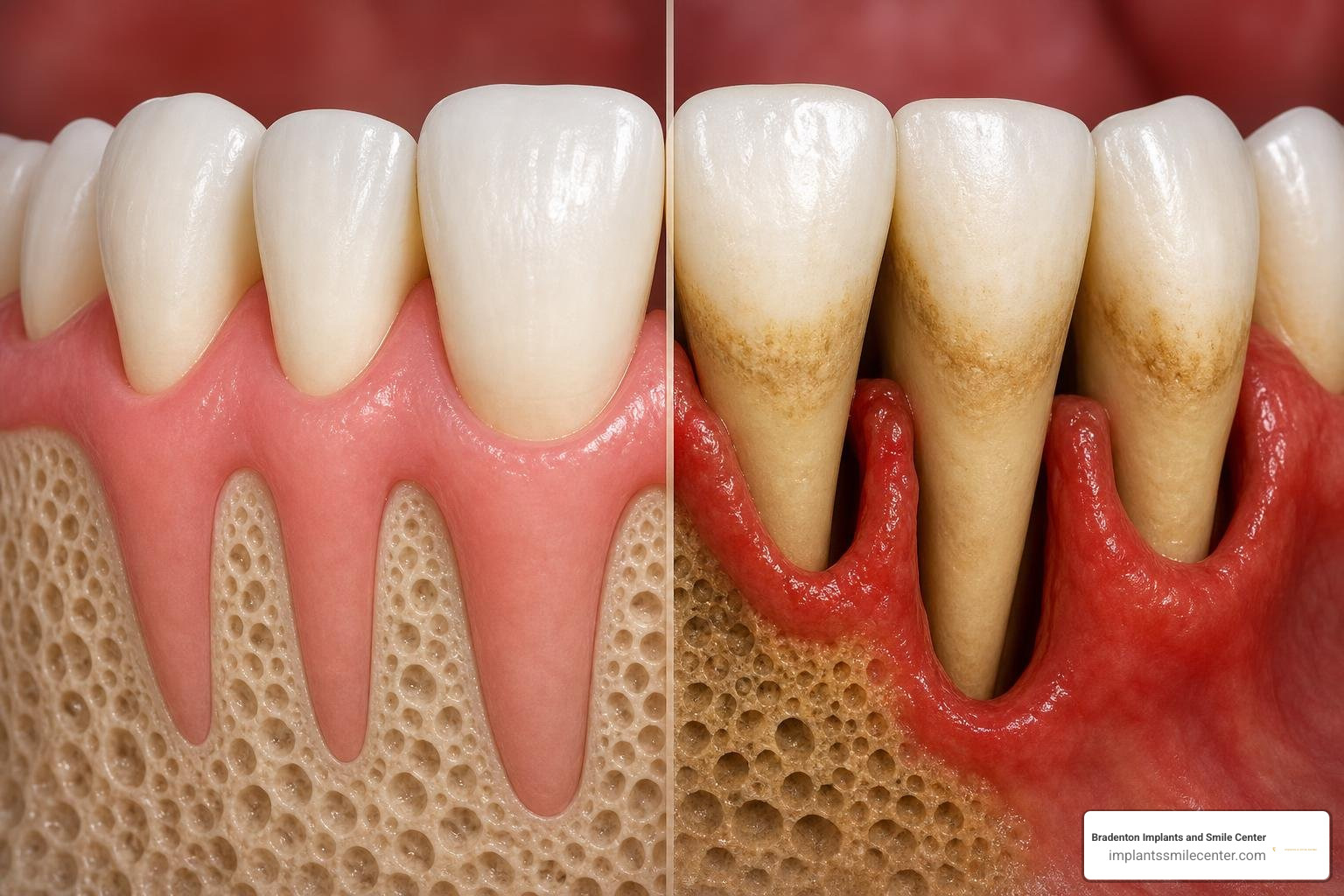
These pockets become breeding grounds for bacteria. Because they are deep beneath the gumline, standard toothbrushes, floss, and even routine dental cleanings cannot reach them. Over time, the bacteria multiply, causing progressive bone loss and tissue damage. If the pocket depth becomes too great—typically 5 millimeters or deeper—we must intervene to save the teeth.
This is where Periodontal Pocket Reduction Surgery comes in. The primary goal of osseous surgery is to reduce these deep pockets, making them shallow enough to clean with normal at-home brushing and flossing. By smoothing out damaged, irregular bone surfaces and securing the gum tissue tightly back around the teeth, we eliminate the hiding spots for bacteria. Understanding your personal Periodontal Disease Risk Factors is a key step in preventing the recurrence of this disease and ensuring your long-term oral health.
Osseous Surgery vs. Deep Cleaning
It is common for patients to wonder if they can simply get a deep cleaning instead of undergoing surgery. While both treatments aim to eliminate bacteria, they are used at very different stages of gum disease.
A deep dental cleaning, clinically known as scaling and root planing, is a non-surgical therapy. During a Dental Cleaning, we use specialized instruments to scrape away plaque and tartar from above and below the gumline and smooth the root surfaces. This is highly effective for mild to moderate gum disease.
However, when periodontal pockets are deep and bone damage is present, non-surgical tools cannot safely reach the bottom of the pockets. Osseous surgery is a surgical procedure reserved for moderate to severe periodontitis. It allows direct, visual access to the roots and bone, ensuring every trace of infection is removed.
Feature Deep Cleaning (Scaling & Root Planing) Osseous Surgery (Pocket Reduction) Type of Treatment Non-surgical Surgical Severity of Disease Mild to moderate Moderate to severe How It Works Cleaning roots below the gumline Folding back gums, reshaping bone, securing tissue Pocket Depth Target Typically 4 to 5 mm 5 mm or deeper with bone loss Recovery Time 1 to 2 days of mild sensitivity 2 to 4 weeks for full tissue healing
If you are concerned about the financial aspect of treatment, you can review our guide on Periodontal Cleaning Cost With Insurance to better understand your coverage options.
Is Pocket Reduction Surgery Always Necessary?
Osseous surgery is considered the gold standard for treating advanced periodontal disease because it physically alters the environment that allows bacteria to thrive. Reducing pocket depth is highly worthwhile because smaller pockets, combined with diligent daily hygiene, significantly increase your chances of keeping your natural teeth.
Is it always necessary? If non-surgical options have failed to reduce pocket depths and active infection remains, yes. Leaving deep pockets untreated leads to progressive bone loss, which is the leading cause of tooth loss in adults.
However, there are some advanced alternatives. In certain cases, we utilize Laser Dentistry to perform LANAP (Laser-Assisted New Attachment Procedure). LANAP is a newer, less invasive alternative to traditional surgery that uses laser energy to target bacteria and stimulate tissue regeneration. While laser therapy can be an excellent option for specific candidates, traditional osseous surgery remains the most predictable and proven method for correcting severe, irregular bone defects.
Preparing for Your Procedure
A smooth recovery after osseous surgery starts with proper preparation. Taking a few proactive steps before your appointment can significantly reduce your post-operative stress and discomfort.
Review Your Medications: During your consultation, we will review your complete medical history. It is crucial to discuss any blood-thinning medications you take, such as aspirin, warfarin, or newer anticoagulants, as we may need to coordinate with your physician to temporarily adjust or stop them before surgery.
Eat a Hearty Meal: Unless you are undergoing deep sedation, we recommend eating a robust meal before your procedure. Your mouth will be numb and tender afterward, and you will be restricted to soft, cool foods for the first few days.
Arrange a Driver if Needed: If you choose to utilize our Sedation Dentistry Bradenton FL services or require Advanced Sedation Options to ease your nerves, you must arrange for a trusted adult to drive you home and stay with you until the sedative wears off.
Prepare Your Recovery Space: Stock up on soft foods, ice packs, and any prescribed medications ahead of time. Having these items ready allows you to go straight to bed and rest immediately after your appointment. If you experience dental anxiety, we also offer tailored Dental Anxiety Solutions to help you feel completely at ease.
What to Expect After Osseous Surgery: The Recovery Timeline
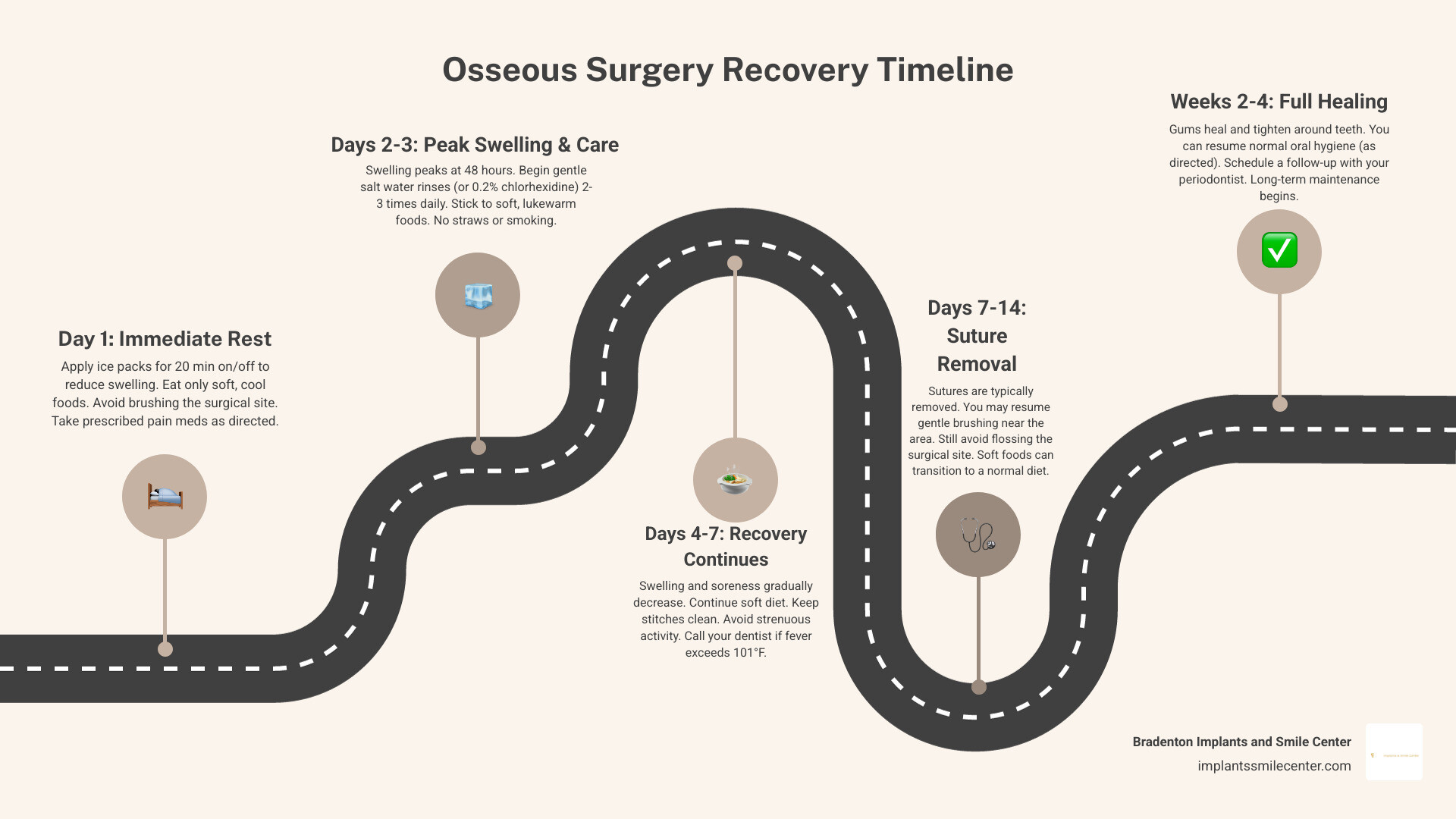
In most cases, the surgical procedure itself takes only 30 to 60 minutes, depending on the number of teeth treated and the complexity of the bone defects. However, the healing process is a gradual journey. On average, complete soft tissue recovery takes between two and four weeks.

Immediately after osseous surgery, you will experience mild side effects that are completely normal signs of your body's healing process. These typically peak within the first 48 to 72 hours and gradually subside:
Soreness: A dull, manageable ache around the surgical site is normal as the local anesthesia wears off.
Bleeding: Minor oozing or pink-tinted saliva is common for the first 24 hours.
Swelling and Bruising: Some swelling of the gums and cheeks, along with mild bruising, can occur.
If you are looking for specialized care close to home, searching for Periodontics Near Me will bring you directly to our modern Bradenton, FL office, where we closely monitor your recovery timeline.
Managing Pain and Side Effects After Osseous Surgery
Managing your comfort during the initial healing phase is highly predictable when you follow a few simple guidelines:
Use Cold Compresses: Apply an ice pack to the outside of your face over the treated area for 15 minutes on and 15 minutes off. This is highly effective at reducing swelling and alleviating discomfort during the first 24 to 48 hours.
Take Prescribed Medications: If we prescribe antibiotics, take them exactly as directed and complete the entire course to prevent infection. For pain management, over-the-counter anti-inflammatories like ibuprofen are highly effective, though we may provide stronger prescription analgesics if needed.
Rest: Avoid strenuous physical activity, heavy lifting, or intense exercise for the first 3 to 5 days, as elevated blood pressure can trigger secondary bleeding at the surgical site.
Do Gums Grow Back After Osseous Surgery?
One of the most common questions we receive is whether the gums will grow back to their original position after the procedure. The short answer is no. Gum tissue that has been destroyed by periodontal disease does not grow back naturally on its own.
In fact, because osseous surgery reduces pocket depths by securing the gum tissue tightly around the reshaped bone, you may notice some gum recession and root exposure after healing. This can make the teeth appear slightly longer and may temporarily increase sensitivity to hot or cold temperatures.
If significant gum recession occurs and creates aesthetic concerns or severe sensitivity, a separate gum graft surgery can be performed down the road to restore lost tissue. However, during the initial healing phase, our primary goal is establishing a healthy, infection-free attachment between the gums and bone.
Your Step-by-Step Guide to Care After Osseous Surgery
To ensure optimal healing and protect the surgical site, you must follow a meticulous self-care routine. The choices you make in the days following surgery directly impact your long-term success.
Protect the Blood Clot: Do not spit forcefully, rinse aggressively, or drink through a straw for at least 7 days. The negative pressure created by these actions can dislodge the healing blood clot, leading to bleeding or a painful dry socket.
Avoid Smoking and Alcohol: Abstain from smoking and drinking alcohol for at least 24 hours before and after the surgery—though avoiding smoking for the entire recovery period is highly recommended. Smoking severely restricts blood flow to the healing tissues, delaying recovery and increasing the risk of infection.
Maintain Gentle Hygiene: Do not brush or floss the surgical area directly until we clear you to do so (usually after your sutures are removed). You must, however, keep the rest of your mouth clean by brushing and flossing non-treated teeth normally.
For detailed clinical standards on maintaining your gums during healing, you can refer to the professional guidelines on Post-operative soft tissue management | FOR.org.
Flap Design and Regenerative Techniques in Healing
The way your surgery is performed plays a massive role in how quickly and comfortably you heal. During osseous surgery, we carefully design a "flap" to access the bone. The two primary designs are the envelope flap and the triangular flap.
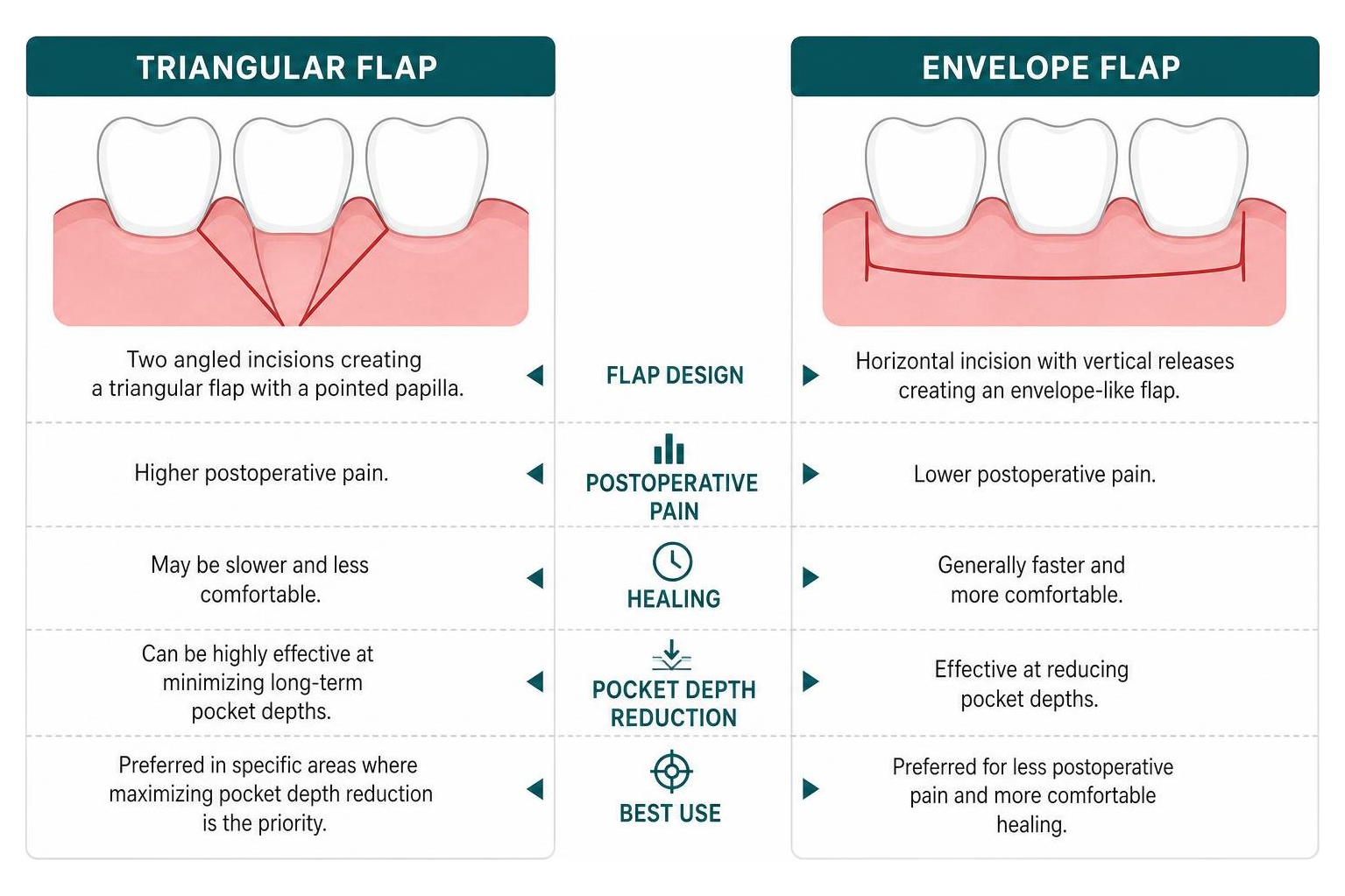
Clinical research shows that the envelope flap design is associated with significantly lower postoperative pain compared to the triangular flap design. However, a triangular flap is sometimes preferred because it can be highly effective at minimizing long-term pocket depths in specific areas.
To accelerate your recovery, we often incorporate advanced regenerative techniques. The application of autologous platelet concentrates (APCs), such as Platelet-Rich Fibrin (PRF) derived from a small sample of your own blood, is the best choice to:
Improve soft tissue healing within the first 7 days
Boost bone mineral density by the 4-month mark
Alleviate postoperative pain, swelling, and the risk of dry socket
If you have suffered significant bone loss, we may perform Bone Grafting during your surgery. Using specialized materials, which you can learn about in our guide on the Types of Bone Graft in Dentistry, we can actually rebuild lost bone structure.
To explore the scientific literature on how regenerative techniques protect adjacent teeth and support bone healing, you can read the comprehensive overview of systematic reviews on Interventions to minimize periodontal defect distal to second molar after mandibular third molar surgery: an overview of systematic reviews | Oral and Maxillofacial Surgery | Springer Nature Link, which highlights how these methods preserve bone structure.
Post-Surgical Diet, Mouth Rinses, and Suture Removal
During the first few weeks after osseous surgery, your eating habits and rinsing routine must adapt to protect the fragile healing tissues.
The Post-Surgical Diet
Stick to a soft-food diet to prevent hard, crunchy, or sharp food particles from irritating the surgical site. Excellent choices include:
Mashed potatoes and sweet potatoes
Scrambled eggs
Macaroni and cheese or well-cooked pasta
Yogurt, smoothies (eaten with a spoon, no straws!), and applesauce
Avoid hot foods and drinks for the first 2 to 3 days, as heat can promote secondary bleeding. Also, steer clear of spicy, highly acidic, or seedy foods (like raspberries or sesame seeds) that can easily get trapped under the gum flaps.
Antiseptic Mouth Rinse
Starting the day after surgery, you should rinse your mouth 2 to 3 times daily with a prescribed 0.12% chlorhexidine mouthwash. This provides powerful antiseptic protection to the surgical site while you are unable to brush the area. Gently bathe the area with the rinse and let it cascade out of your mouth into the sink—do not spit forcefully.
Suture Removal
We typically schedule your follow-up and suture removal appointment 7 to 14 days after surgery. During this visit, we will gently remove any non-resorbable sutures, evaluate how well your soft tissues are adapting, and provide customized instructions on how to safely transition back to brushing the treated area.
To understand the long-term biological benefits of maintaining bone volume and preventing tissue collapse, you can read the clinical brochure on SOLUTIONS AFTER TOOTH EXTRACTION, which outlines the foundational principles of bone preservation.
Frequently Asked Questions About Osseous Surgery Recovery
When should I call my periodontist after surgery?
While mild discomfort and swelling are completely normal, you should contact us immediately if you experience any of the following warning signs:
A post-operative fever over 101 degrees Fahrenheit (38.3 degrees Celsius)
Excessive or continuous bleeding that does not slow down after applying gentle pressure with a damp gauze pad
Severe, throbbing pain that is not relieved by your prescribed pain medications
Wound dehiscence (if you notice the surgical incision or gum flap opening up), which requires evaluation within a critical 24 to 48-hour window for optimal management
How successful is osseous surgery in the long term?
Osseous surgery is highly successful and remains the gold standard for treating advanced gum disease. However, the long-term success of the procedure depends heavily on what happens after you heal.
To prevent the bacteria from returning and creating new pockets, you must maintain a strict daily oral hygiene routine of brushing twice a day and flossing once a day. Additionally, you must transition to professional periodontal maintenance cleanings every 3 to 4 months. Combining your at-home efforts with our expert General Dentistry Bradenton FL care is the ultimate way to safeguard your investment and preserve your natural smile.
Can I use a straw or smoke during recovery?
No. You must avoid drinking through a straw for at least 7 days post-surgery. The suction created in your mouth can easily dislodge the blood clot forming at the surgical site, leading to bleeding and delayed healing.
Similarly, you must avoid smoking for at least 24 hours before and after the procedure—though we highly recommend abstaining for the entire 2 to 4 weeks of recovery. Smoking introduces harmful toxins, restricts oxygen levels in your blood, and significantly increases your risk of surgical failure and infection.
Conclusion
Recovering after osseous surgery is a highly predictable, step-by-step process. By preparing properly, resting diligently, protecting the surgical site, and keeping up with your follow-up appointments, you can look forward to a healthier, infection-free smile that supports your entire body's wellness.
At Bradenton Implants & Smile Center, we are dedicated to providing personalized, compassionate care using modern dental technology and advanced techniques. If you are experiencing symptoms of gum disease or have been told you need pocket reduction therapy, we are here to support you every step of the way.
Ready to take control of your oral health? Explore our specialized Gum Treatment options or Contact Us today to schedule your consultation at our comfortable Bradenton, FL office!