

What Happens at the Dentist and What to Expect During a Cleaning
Why Professional Care Matters: Your Dental Cleaning Guide
This dental cleaning guide covers everything you need to know about professional cleanings — what they are, how often you need one, and what to expect at each visit.
Here's a quick overview:
Topic Key Takeaway What is a dental cleaning? Removal of plaque, tartar, and bacteria by a dental professional How often? Every 6 months for most people; every 3-4 months if you have gum disease Types of cleanings Prophylaxis, deep cleaning (scaling & root planing), periodontal maintenance How long does it take? 30-60 minutes for a routine cleaning Why does it matter? Prevents cavities, gum disease, bad breath, and is linked to lower risk of heart disease and dementia
Most people know they should go to the dentist regularly. But many aren't sure what actually happens during a cleaning — or why it matters so much beyond just keeping teeth white.
The reality is that your mouth is a direct window into your overall health. Research has linked gum disease and poor oral hygiene to serious conditions like heart disease, diabetes, stroke, and even Alzheimer's disease. A professional cleaning does far more than brushing at home ever can — it removes hardened tartar that no toothbrush can touch, and gives your dentist a chance to catch problems early.
I'm Dr. John Hegazin, owner of Bradenton Implants and Smile Center, and with over 8 years of experience providing preventive care — including professional dental cleanings — I've helped hundreds of patients understand exactly what this dental cleaning guide covers and how routine visits protect both their smiles and their long-term health. Read on for a complete walkthrough of what to expect, from the dental chair to your daily routine at home.
Daily home brushing and flossing are essential, but they only go so far. Think of your daily oral hygiene like spraying your car with a hose: it washes away the loose surface dirt, but it leaves behind a thin, stubborn film of grime. In your mouth, that film is called plaque — a sticky, constantly forming biofilm of bacteria that feeds on the sugars in your food.
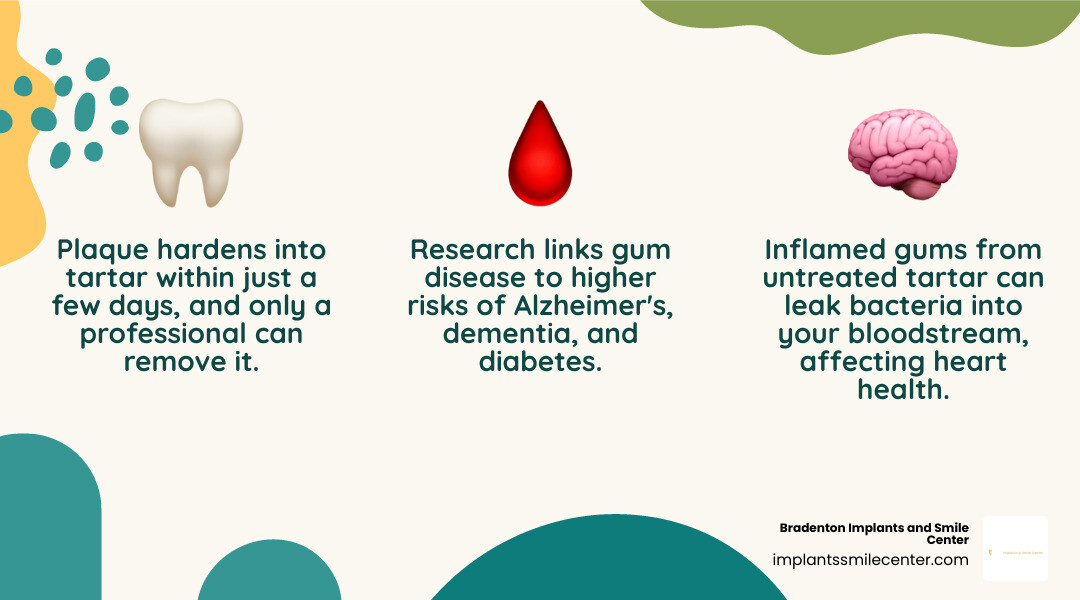
If plaque is not completely removed, it reacts with the minerals in your saliva and hardens into tartar (also known as calculus) within just a few days. Once tartar forms, it bonds to your enamel. No manual or electric toothbrush can remove it; only a dental professional using specialized instruments can safely scale it away. If left untreated, tartar acts as a breeding ground for harmful bacteria, releasing acids that destroy tooth enamel and irritate the delicate gum tissues.
This bacterial buildup does not just threaten your teeth; it poses a serious risk to your entire body. When your gums are chronically inflamed (a condition known as gingivitis, which can progress to periodontitis), the tiny blood vessels in your mouth can leak bacteria directly into your bloodstream. Medical research continues to highlight these systemic connections:
Cardiovascular Health: Chronic oral infections can contribute to heart disease, stroke, and endocarditis by causing arterial inflammation and plaque buildup in blood vessels.
Diabetes: The relationship between gum disease and diabetes is a two-way street. Severe gum disease can raise blood sugar levels, making diabetes harder to manage, while high blood sugar makes the body more vulnerable to oral infections.
Cognitive Decline: A landmark 2020 study tracking over 6,000 older adults found that those with signs of gum disease and mouth infections were significantly more likely to develop Alzheimer's disease or related dementias.
Tooth Loss and Brain Health: A 2021 study revealed that older adults with tooth loss have a higher risk of cognitive impairment and dementia, with the risk rising incrementally with each missing tooth. Interestingly, those who replace missing teeth with dentures do not show this same elevated risk, showing how vital it is to maintain a functional smile.
By staying committed to regular preventive care, you can learn more about how these appointments safeguard your systemic health in our comprehensive dental cleaning guide 2026. To understand the clinical details behind these preventive appointments, you can read more about What Happens During a Dental Cleaning? to prepare for your next visit.
The Different Types of Professional Dental Cleanings
Not all dental cleanings are the same. Depending on the current state of your teeth and gums, we will recommend a specific type of cleaning tailored to your needs. While a routine polish is great for healthy teeth, patients dealing with active gum disease require deeper therapeutic treatments to protect their jawbone and prevent tooth loss.
To help you understand the clinical differences, we utilize specialized techniques like scaling and polishing to restore your mouth to optimal health.
Cleaning Type Clinical Focus Primary Objective Typical Duration Recommended Frequency Prophylaxis Above the gumline Preventive care for healthy mouth 45 to 60 minutes Every 6 months Gross Debridement Heavy buildup removal Clears heavy tartar to allow an exam 45 to 60 minutes Once (as a preliminary step) Scaling & Root Planing Deep below the gumline Therapeutic treatment for gum disease 60 to 90 minutes per appointment 2 or more appointments Periodontal Maintenance Below the gumline pocket care Ongoing maintenance after deep cleaning 60 minutes Every 3 to 4 months
Prophylaxis: The Standard Dental Cleaning Guide Routine
A standard dental prophylaxis is a preventive cleaning designed for patients with generally healthy gums and teeth. The word "prophylaxis" literally means to prevent disease. During this routine appointment, which typically takes between 45 to 60 minutes, our skilled hygienist removes plaque, tartar, and surface stains from all visible surfaces of your teeth.
This cleaning focuses on the areas above your gumline. If you have kept up with your routine appointments, a standard prophylaxis is a comfortable, straightforward process that leaves your teeth feeling smooth and clean. If you are looking to get back on track quickly, you can explore our same day dental cleaning guide 2026 to see how easy it is to schedule your appointment.
Scaling and Root Planing: A Deep Dental Cleaning Guide
If plaque and tartar are left under the gumline, they cause the gums to pull away from the teeth, creating deep spaces called periodontal pockets. When these pockets reach a depth of 4 millimeters or more, a standard cleaning is no longer effective. This is when we recommend scaling and root planing, commonly referred to as a deep cleaning.
This therapeutic procedure is designed to treat active gum disease (periodontitis). During scaling, we use specialized hand instruments and ultrasonic scalers to remove plaque and tartar from deep within the pockets. During root planing, we smooth out the rough surfaces of your tooth roots. Smoothing the roots makes it much harder for bacteria to adhere in the future and allows your gum tissue to heal and reattach tightly to the teeth.
Because this procedure is highly detailed and focuses on sensitive areas under the gums, it is typically completed in at least two appointments, lasting 60 to 90 minutes each. We often use a local anesthetic to ensure you remain completely comfortable throughout the process. If you are concerned about the financial aspect, you can review the periodontal cleaning cost with insurance to plan your treatment with confidence.
Step-by-Step: What Happens During a Routine Cleaning
If you feel nervous about visiting the dentist, knowing exactly what to expect can help ease your mind. A routine prophylaxis is a highly organized, gentle process designed to maximize your comfort and oral health.
1. The Physical Exam
Before any cleaning begins, our dental hygienist performs a thorough visual examination of your entire mouth. Using a small dental mirror, they check your teeth and gums for signs of inflammation, bleeding, decay, or other potential concerns. If they spot any major issues, they will consult with the dentist before proceeding.
2. Scaling (Plaque and Tartar Removal)
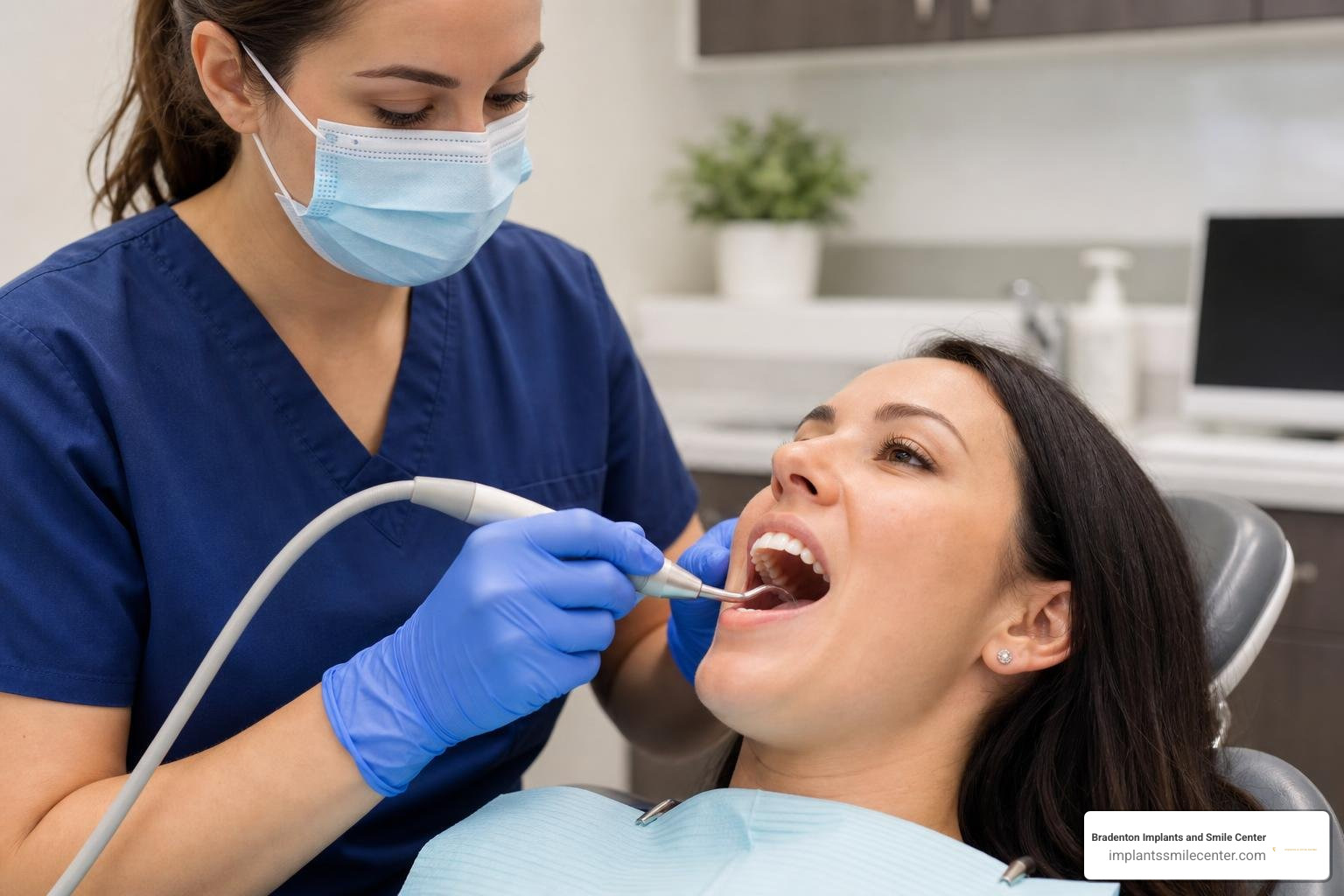
Once the exam is complete, the physical cleaning begins. Using specialized hand scalers and ultrasonic instruments, the hygienist carefully removes the tartar and plaque from your tooth surfaces and just around the gumline.
You will hear a mild scraping sound, which is completely normal. The ultrasonic scaler uses high-frequency vibrations and a gentle stream of water to safely break up and flush away stubborn tartar buildup. For patients seeking advanced care, we also offer laser teeth cleaning, which utilizes modern laser technology to target bacteria and clean hard-to-reach areas with minimal discomfort.
3. Polishing
After your teeth are free of tartar, the hygienist polishes them. Using a high-powered electric brush with a soft rubber cup and a gritty toothpaste called prophy paste, they gently scrub away any remaining surface stains. This step leaves your teeth feeling incredibly smooth, which is highly beneficial because plaque has a much harder time sticking to a smooth surface than a rough one. If you want to take your smile a step further, you can ask about a professional whitening cleaning to brighten your enamel during your visit.
4. Professional Flossing
Even if you floss regularly at home, nothing beats a professional flossing session. The hygienist deeply cleans the tight spaces between your teeth, removing any leftover plaque or polishing paste while checking for areas where your gums might bleed or feel tender.
5. Rinsing and Fluoride Treatment
Finally, you will rinse your mouth to wash away any remaining debris. Depending on your risk for cavities, we may recommend a professional fluoride treatment. This involves applying a highly concentrated fluoride gel, foam, or varnish to your teeth. The fluoride quickly absorbs into your enamel, rebuilding weak spots and making your teeth far more resistant to acid attacks. If you receive a fluoride treatment, remember to wait at least 30 minutes before eating or drinking to let it fully bond to your teeth.
How to Maintain Your Smile at Home Between Visits
While professional cleanings are vital, what you do at home accounts for 99% of your daily oral defense. Consistent, high-quality home care ensures that your teeth and gums stay healthy, clean, and pain-free between your visits to our Bradenton office.
To get the most out of your daily routine, keep these clinical guidelines and best practices in mind:
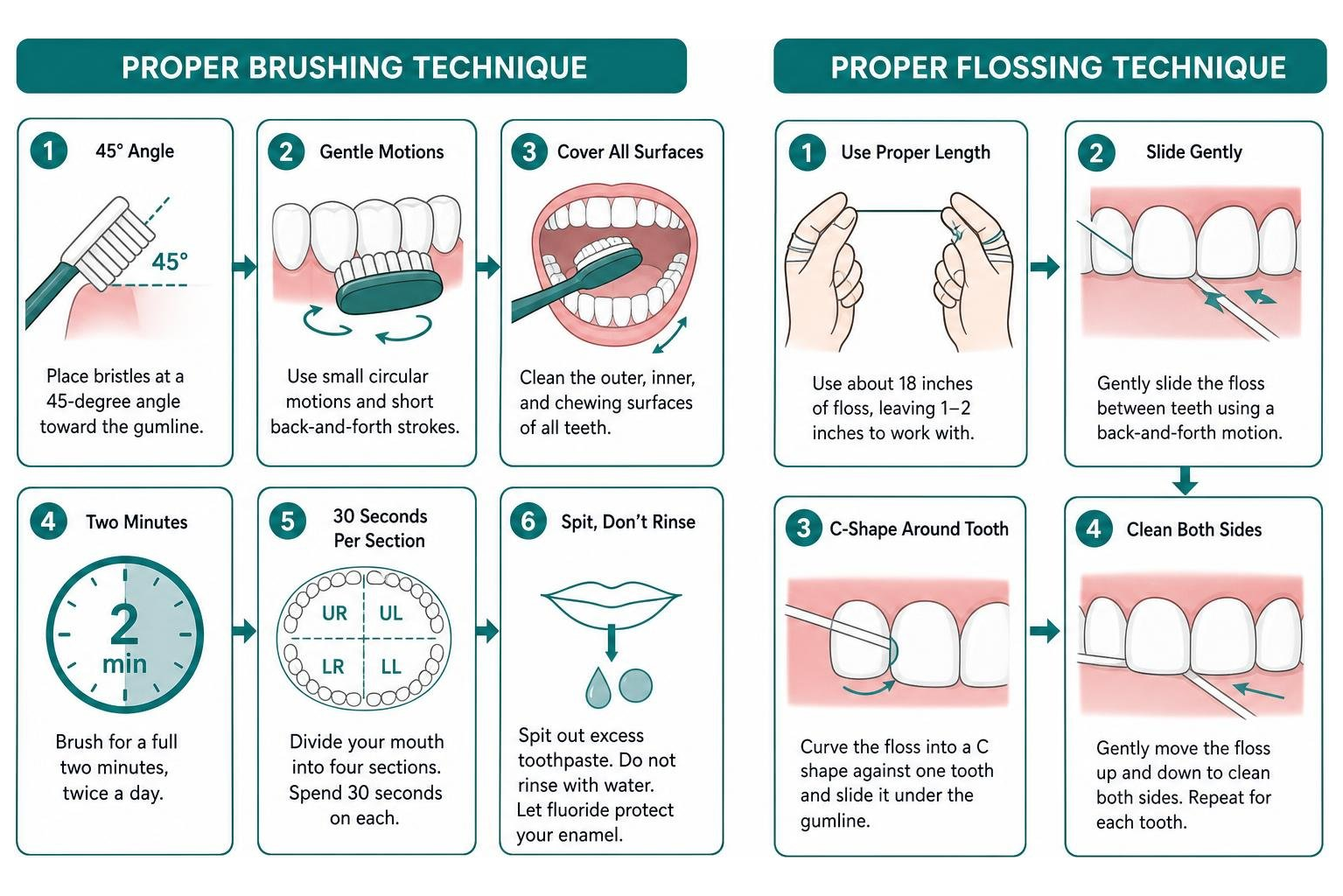
The 45-Degree Brushing Angle: Place your toothbrush bristles at a 45-degree angle pointing toward your gumline. This is where plaque loves to hide. Gently move the brush in small circular motions and short back-and-forth strokes rather than scrubbing aggressively across your teeth, which can cause gum recession.
The Two-Minute Rule: Brush your teeth at least twice a day for a full two minutes. To make sure you are spending enough time on each area, divide your mouth into four sections (upper right, upper left, lower right, lower left) and spend 30 seconds on each. Try using a phone timer to keep yourself honest!
Spit, Don't Rinse: This is one of the most common mistakes people make. After brushing, spit out the excess toothpaste, but do not rinse your mouth with water immediately. Rinsing washes away the concentrated, protective fluoride left behind by your toothpaste. Let that fluoride sit on your teeth to strengthen your enamel.
Smart Mouthwash Timing: If you love using mouthwash, avoid using it right after brushing, as it will wash away your toothpaste's fluoride. Instead, use your alcohol-free fluoride mouthwash at a different time, such as midday after lunch. Avoid eating or drinking for 30 minutes after using mouthwash.
The C-Shape Flossing Method: Floss once a day to clean the surfaces between your teeth that a toothbrush cannot reach. Use about 18 inches of dental floss wrapped around your middle fingers. Gently guide the floss between your teeth, curve it into a "C" shape around the side of each tooth, and slide it up and down against the tooth surface several times to remove plaque. Avoid using hard wooden toothpicks, as they can easily scratch and damage your delicate gum tissue.
Consider Modern Protective Sealants: For extra protection against decay, especially in the deep grooves of your molars, ask us about a dental sealant for adults. This thin, protective coating acts as a shield against food particles and cavity-causing bacteria.
Frequently Asked Questions About Dental Cleanings
We understand that visiting the dentist can raise questions, especially if you experience dental anxiety or haven't had a cleaning in a while. Here are clear, straightforward answers to the questions we hear most often at Bradenton Implants & Smile Center.
How often should you get a dental cleaning?
While the American Dental Association notes that the frequency of dental visits should be tailored to each individual's specific oral health needs, a standard recommendation for many patients with healthy teeth and gums is to get professional exams and cleanings every six months (twice a year).
However, oral bacteria repopulate quickly, and some individuals are naturally more prone to rapid plaque buildup, dry mouth, or gum inflammation. If you have a history of periodontitis, a weakened immune system, diabetes, or are experiencing chronic stress, we may recommend periodontal maintenance cleanings every three to four months to keep harmful bacteria from damaging your jawbone.
What should you do if you experience pain or sensitivity after a cleaning?
It is completely normal to experience mild, temporary tooth sensitivity or slight gum soreness for a few days after a professional cleaning, especially if you required a deep cleaning or had significant tartar buildup.
To manage this discomfort, you can take over-the-counter pain relievers like ibuprofen or acetaminophen as directed. We also recommend using a soft-bristled toothbrush and a toothpaste formulated for sensitive teeth for a few days. If your pain is severe or lasts for more than two days, please contact our office so we can ensure everything is healing beautifully.
What are the signs of poor oral hygiene or gum disease?
Gum disease is often silent in its early stages, but there are several key warning signs that indicate you should schedule a dental visit right away:
Bleeding Gums: Gums should never bleed when you brush or floss. Bleeding is a primary sign of inflammation and early-stage gum disease (gingivitis).
Chronic Bad Breath: If you experience persistent bad breath (halitosis) that doesn't go away with brushing or mouthwash, it may be caused by volatile sulfur compounds produced by deep-seated oral bacteria.
Gum Recession: If your teeth look longer than they used to, or if you notice your gums pulling away from your teeth, this is a sign of tissue loss.
Loose or Shifting Teeth: Healthy adult teeth should never feel loose. This is a sign of advanced periodontitis, where the bone supporting your teeth has begun to weaken.
Conclusion
Taking care of your teeth is one of the simplest and most powerful ways to protect your overall physical health, longevity, and self-confidence. By combining a dedicated daily home care routine with regular professional cleanings, you can keep your natural teeth healthy, functional, and beautiful for life.
At Bradenton Implants & Smile Center, we are proud to offer high-quality, comprehensive general dentistry bradenton fl services for adults and seniors in Bradenton, Florida. Located conveniently at 7270 55th Ave E, Bradenton, FL 34203, our practice is built on providing personalized, compassionate care using modern dental technology and advanced clinical techniques.
We believe that high-quality dental care should be accessible to everyone, which is why we offer flexible financing options and regularly update our special offers. If you are looking for affordable preventive care, check out our dental cleaning specials near me to see how we make it easy to prioritize your smile.
Don't wait for a toothache to schedule your next visit. Whether you need a standard prophylaxis, a deep cleaning, or are simply looking to establish a relationship with a trusted local dental team, we are here to help. Schedule your next dental cleaning with us today, or easily book your next appointment online. We look forward to welcoming you to our dental family and keeping your smile bright for years to come!